
Aiseesoft Data Recovery
 100% Secure. No Ads.
100% Secure. No Ads.
How to show hidden files on a Mac?
“My MacBook becomes slower and slower, but I have cleaned up the space. My friend suggests viewing hidden files. The question is, how to find them on a Mac with macOS Sierra?”
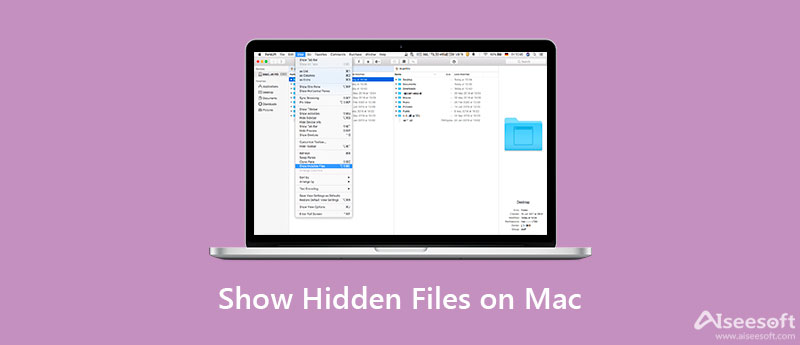
Most hidden files on a Mac are system and app files. You can delete some useless ones to better manage your storage space. This guide share five efficient methods to help you access hidden files on Mac devices, covering all commonly used macOS versions, including the latest macOS 26 Tahoe, macOS 15 Sequoia, macOS 14 Sonoma, and earlier systems like Ventura, Monterey, Big Sur, and Catalina. Pick your preferred way to locate the hidden files and control your storage easily.
| Method | Action/Command | Best For | Consideration |
| Keyboard Shortcut | Press Command + Shift + . in a Finder window. | Instant, temporary visibility. Fastest one-time check. | Visibility resets after restarting Finder or your Mac. |
| Finder’s View Options | In a folder’s View Options, check “Show Hidden Files”. | Temporary visibility within a specific folder. | May vary by macOS version and folder location. |
| Library Folder Access | Use Go > Go to Folder in Finder, enter ~/Library. | Accessing user-specific app support and preference files. | Only shows the hidden ~/Library directory, not all system files. |
| Terminal Command | Run: “defaults write com.apple.finder AppleShowAllFiles -bool true”. | Users who are comfortable with the command line. | Makes hidden files permanently visible until you run the command again. |
| Data Recovery Software | Use a tool like Aiseesoft Data Recovery to scan for hidden and lost data. | Recovering files that have been deleted or erased, not just hidden. | Data loss situations. “Show” hidden files that are removed. |
It is essential to understand why a part of files is hidden on Mac. Sometimes, these files are involved with the system running, including libraries and files, backend directories, and many more. The removal of these files can lead to serious problems, such as system crashes.
However, in some cases, you need to view these hidden files or manage them in order to fix software errors. Of course, it is a way to make some space on your Mac by deleting hidden files if you know exactly what they are.
Whether you are cleaning up disk space on mac, troubleshooting an app issue, or accessing configuration files, knowing how to reveal the hidden data is a valuable skill. This section will share five helpful methods to show hidden files on your Mac.
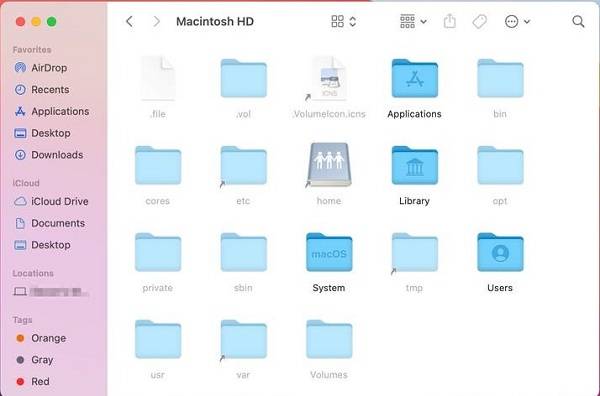
The fastest way to show hidden files on a Mac is through a simple keyboard shortcut in Finder. You can open a Finder window, and then press Command + Shift + Dot (.) simultaneously to reveal all hidden files and folders.
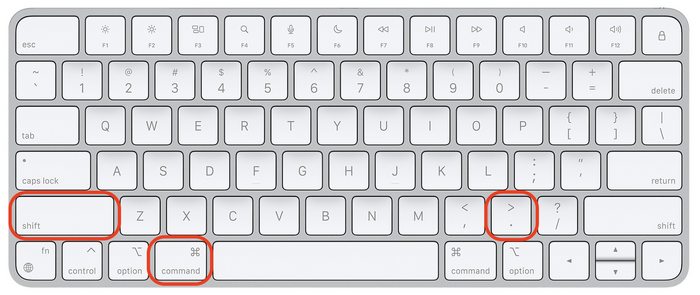
This method will temporarily display previously hidden files and folders until you restart Finder or your Mac.
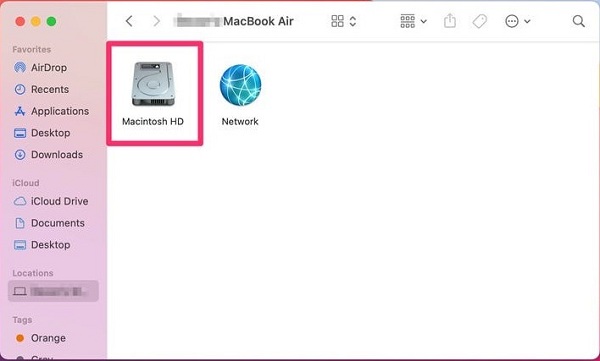
If you cannot find the Macintosh HD folder, go to the Finder menu and choose Preferences. Head to the Sidebar tab on the Preferences dialog, check the box next to your computer name.
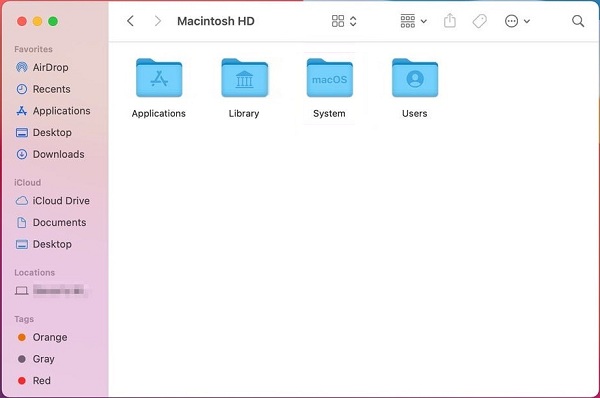
If you are comfortable with command-line interfaces, try using Terminal to show hidden files on your Mac. This method can make hidden files permanently visible.

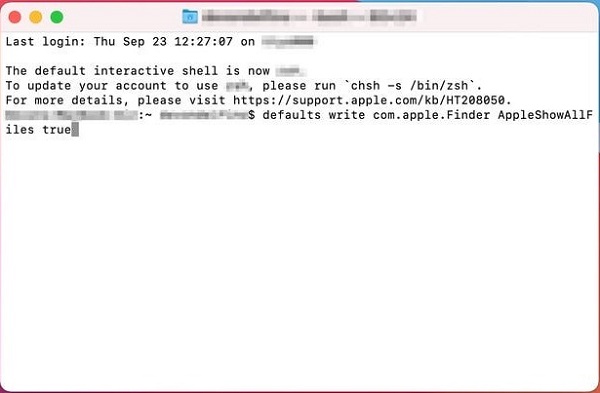
To hide files again, perform the “defaults write com.apple.Finder AppleShowAllFiles false” in the Terminal app.
With the methods above, you have a big chance to view hidden files on a Mac. However, if you have realized that your hidden files are not just hidden but are actually gone, you may need professional recovery software like Aiseesoft Data Recovery. It is specially designed to handle various data missing, deletion, or erasing tasks.
100% Secure. No Ads.
100% Secure. No Ads.
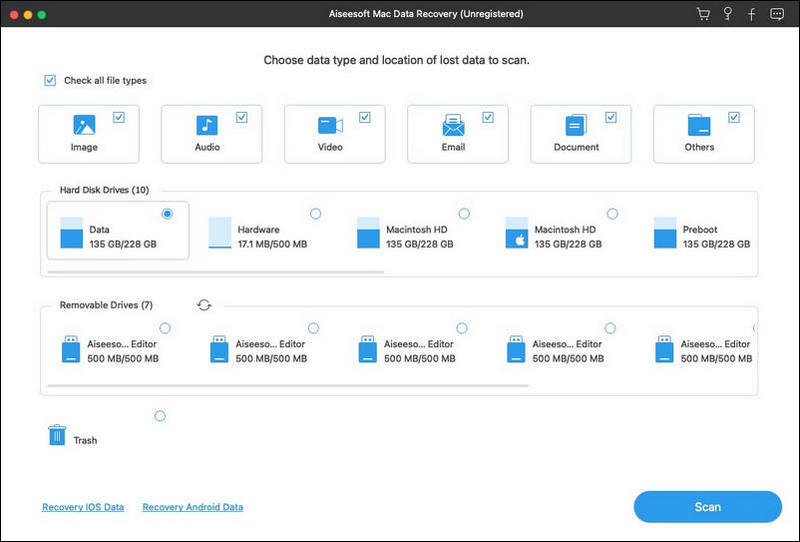
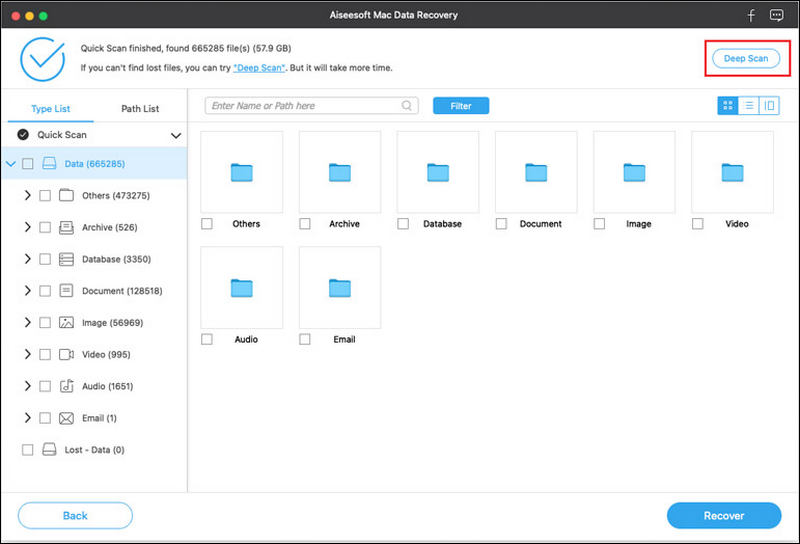
In some cases, you have to delete some hidden files to fix software errors or malfunctions. Moreover, you need to manually delete the hidden files installed by malware. Mac Cleaner can help you simplify the job without technical skills

155,536 Downloads
Mac Cleaner - Manage and Optimize Mac Storage
100% Secure. No Ads.
How to hide files on Mac?
Apple has introduced the ability to hide a file or a folder in Mac. To prevent others from reading your private files, put them into a single folder. Open the Terminal app, type in the command
How to find the Minecraft folder on Mac?
Open your Finder app, click and expand the Go menu, and select Go to Folder. Copy and paste ~/Library/Application Support/minecraft into the box and press the Go button. Then the Minecraft folder will open on your screen.
How to clear temporary files on Mac?
Firstly, quit out of all actively open apps on your Mac. Run the Finder app, and hold down the SHIFT key on Sierra or OPTION/ALT key on earlier systems as well as pull down the Go menu at the same time. Choose Library on the list, find and open the Caches folder. Now, you can delete caches and temporary files according to your need.
What is the terminal command to show hidden files on a Mac?
As mentioned, you can copy and paste “defaults write com.apple.finder AppleShowAllFiles -bool true” in Terminal to show hidden files on a Mac. Restart Finder, copy and paste “killall Finder” to confirm that.
Why can’t I see the Library folder on my Mac?
The Library folder on a Mac is hidden by default. This is mainly for safety reasons. Your application support files, caches, preferences, and other necessary files are stored in the folder. To prevent users from moving or deleting them accidentally, the Library folder is set to be invisible.
Conclusion
This guide has discussed how to show hidden files on Mac. Most hidden files are related to the system running. Of course, you can hide your private documents on Mac too. There are multiple ways to view all hidden files on your hard drive and you can follow our guide to get what you want. Aiseesoft Mac Cleaner can delete hidden files on Mac easily. More questions? Please leave a message below this post.
 Latest Guide on How to Control Alt Delete on Mac to Open Task Manager
How to Control Alt Delete on Mac? Is that even possible? Many have questioned us, and today we will answer them and teach you how to do it.
 Clear Facetime History On Mac
How long is FaceTime history? How to see FaceTime history on Mac? How do you clear your FaceTime history? This post tells how to clear FaceTime history on Mac.
 Clear Cahe Safari Mac
Your Safari gets slow? Here is a step-by-step guide to help you clear cache from Safari on Mac and improve the performance quickly.
 Leave your comment and join our discussion
Mac Cleaner is a professional Mac management tool to remove junk files, clutter, large/old files, delete duplicate files and monitor your Mac performance.
100% Secure. No Ads.

*Required field
*Please enter a valid email