
Aiseesoft Data Recovery
 100% Secure. No Ads.
100% Secure. No Ads.
Contents
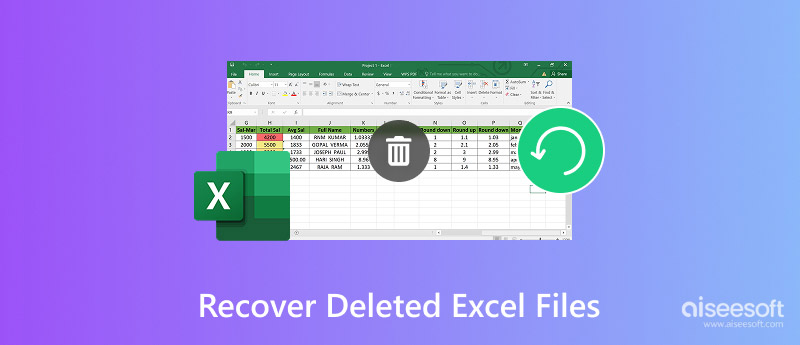
Losing a critical Excel spreadsheet—whether it’s a complex financial report, a project tracker, or a personal database—can bring your productivity to a halt. In 2026, with data stored across local drives, cloud services, and mobile devices, Excel file recovery is more flexible than ever. Whether you accidentally emptied your Trash or experienced a system crash without saving, this guide offers the most effective solutions to get your deleted Excel workbooks back.
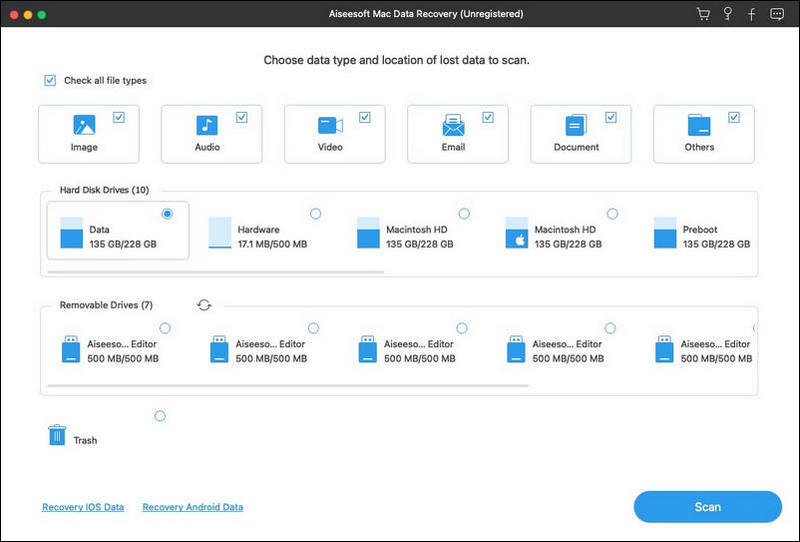
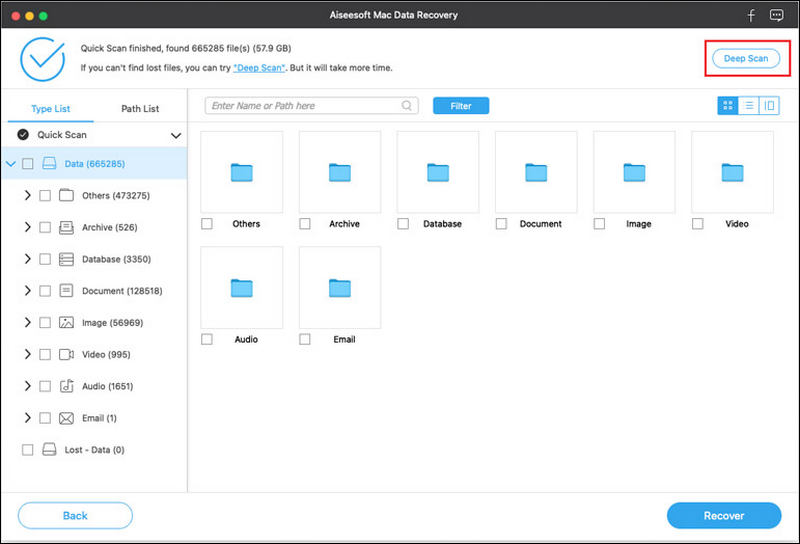
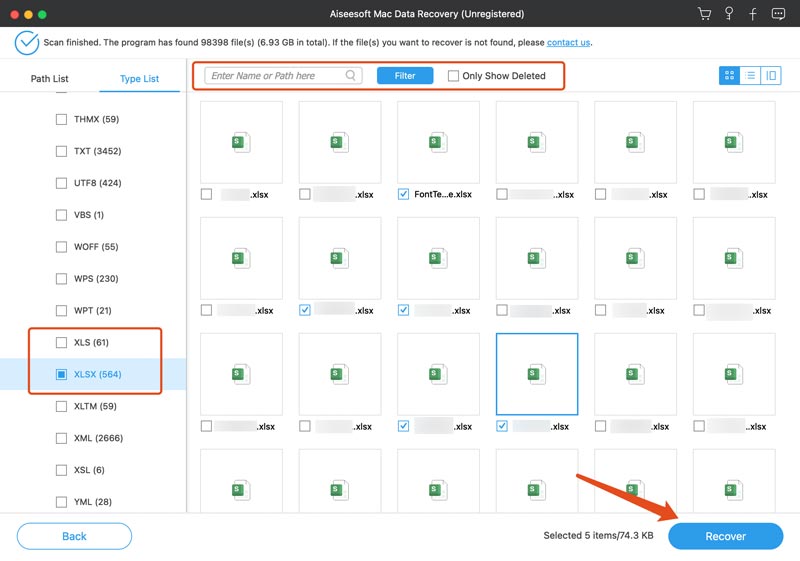
Losing an important Excel file can be a very overwhelming experience, whether it's due to accidental deletion, sudden system failure, or file corruption. If you're looking for a reliable and easy solution, Aiseesoft Data Recovery is one of the best tools available. It can restore lost Excel files on both Windows and Mac, and recover all common file types (including .xls and .xlsx), as well as over 1,000 additional file types. With advanced recovery algorithms and AI-powered repair features, it can also recover corrupted documents and handle more complex data recovery scenarios. Always keep in mind that once the package begins, your files remain fully private. If you deleted a file or want to know how to recover unsaved Excel file, this is a great option to help you recover your data quickly.

Downloads
100% Secure. No Ads.
100% Secure. No Ads.
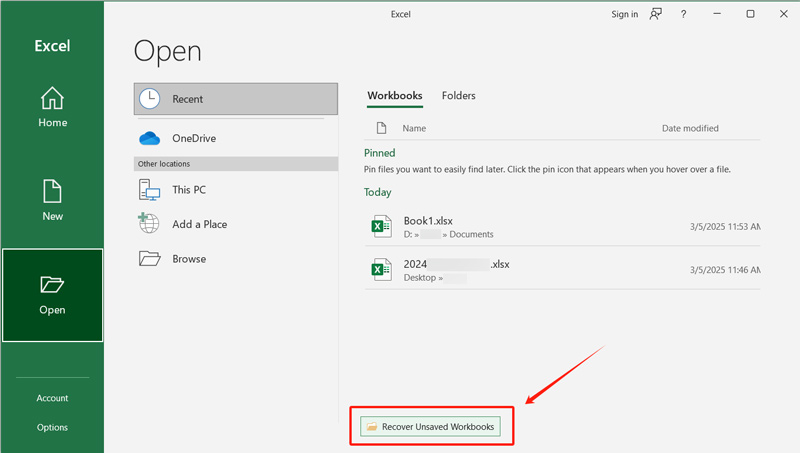
Excel has a built-in AutoRecover function that saves temporary versions of your workbook at set intervals. If you lose your file accidentally, if your system crashes, or if you forget to save your changes, you can use this tool to recover unsaved Excel file data quickly. It offers a simple and reliable way to restore work that wasn’t manually saved, making it a helpful option when unexpected issues occur.
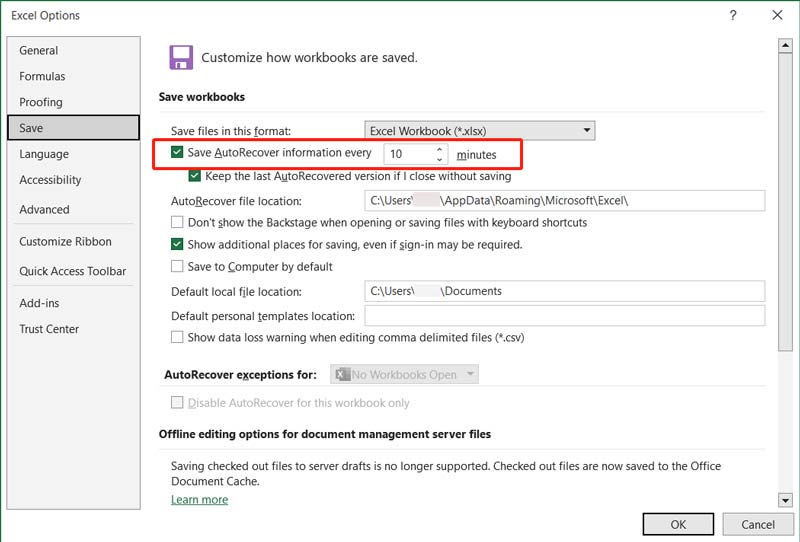
It is recommended to enable AutoRecover for better file protection. Go to “File“ > ”Options“ > ”Save“, then ensure “Save AutoRecover information every X minutes” is turned on. You can also adjust the time interval based on how often you want Excel to save backups.
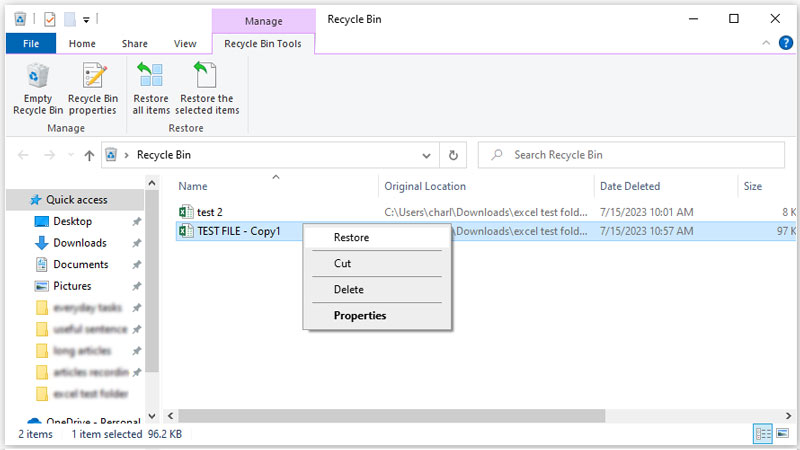
If you accidentally deleted an Excel file, the Recycle Bin (Windows) or Trash (Mac) is the first place to look. These folders allow you to restore recently deleted files quickly without using any recovery tool.
Steps to Recover Excel Files from the Recycle Bin or Trash:
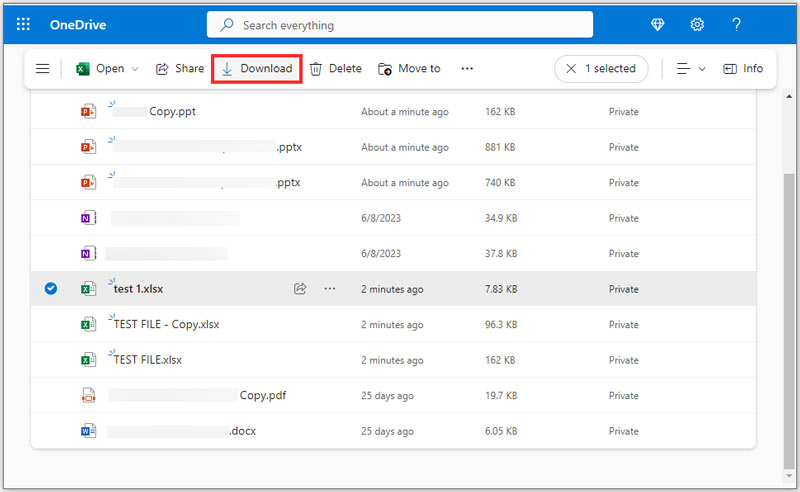
Your Excel files might have been automatically backed up and synced if you use cloud storage services like Google Drive, OneDrive, or iCloud. When a file is deleted from your device, there’s a good chance the cloud still stores a copy you can recover.
If you have a local backup routine enabled, you can roll back an entire folder to a previous state to recover missing spreadsheets. This is one of the most effective methods for how to recover lost Excel files on Windows and Mac, especially when accidental deletion or overwriting occurs.
File History allows you to recover earlier versions of files and folders backed up automatically.
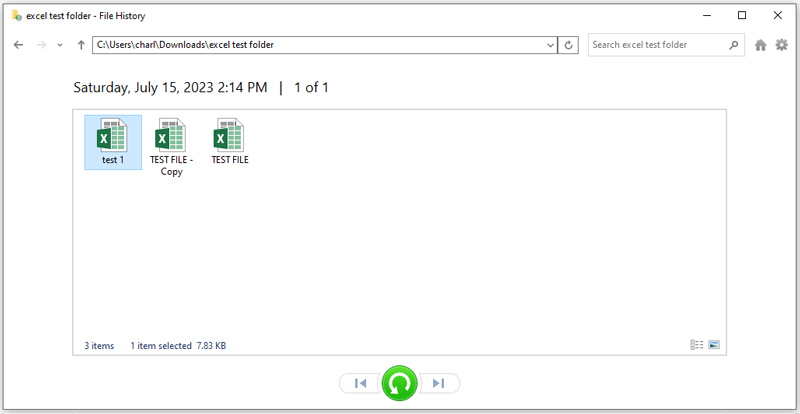
This method is highly effective for Windows file recovery when File History is enabled beforehand.
Time Machine is Apple’s built-in backup tool for restoring files from previous states.
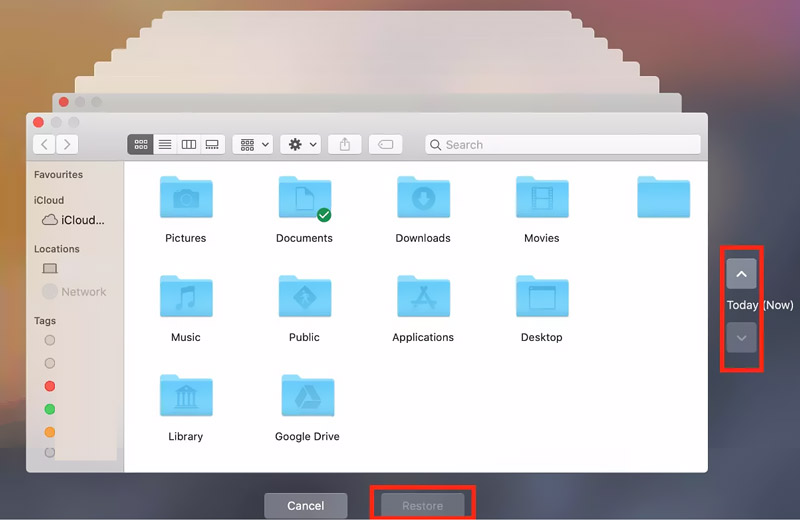
Time Machine is a reliable solution for Mac file recovery, especially for restoring deleted or overwritten spreadsheets.
If you use Excel on your phone or tablet, deleted files don’t vanish immediately. Follow these recovery steps on iOS or Android.
Enable “AutoSave” and “OneDrive sync” inside Excel’s settings to make future recovery easier. No backup? Try checking “On My iPad/iPhone” or “Internal storage/Downloads” folders manually.
When Excel crashes or you close without saving, the program often keeps a hidden temporary copy. Here’s how to find it.
Windows: Open “Control Panel” > “File Explorer Options” > “View” > select “Show hidden files, folders, and drives”.
Mac: Press Cmd + Shift + . (dot) in any Finder window.
%AppData%\Microsoft\Excel\
~/Library/Containers/com.microsoft.Excel/Data/Library/Preferences/AutoRecovery/
How can I recover an Excel file I accidentally deleted?
You can quickly recover an accidentally deleted Excel file by following the seven methods above. For instance, you can first open the Recycle Bin or Trash from your computer and search for the deleted Excel file. If you find it, right-click it and choose to restore the Excel file. You can also check AutoRecover for recent documents. If the deleted Excel file was stored in OneDrive, Google Drive, or another cloud service, check its recycle bin, trash, or recently deleted section to restore it. Moreover, you can choose to recover previous versions of your Excel file. Select your preferred way to find the Excel file that was deleted by mistake.
What is the best recovery software for deleted Excel files?
Many data recovery tools claim to be able to handle various data loss cases and recover deleted Excel files with ease. You can select a reputable one and start with its free trial version. Test its recovery function to determine if it can locate your deleted documents. Select the best software based on your specific recovery needs, system, and budget. As mentioned above, some popular options include Aiseesoft Data Recovery, Disk Drill, Recuva, Stellar Data Recovery, PhotoRec, and R-Studio. They support the recovery of Excel files and other document types.
How do you retrieve an unsaved Excel file?
When you need to recover an unsaved Excel file, you can open Excel on your computer and go to Recent. If there is one version of the document saved, you may see it under the Recent section. Click the Excel file to access the Document Recovery option. Please select the right one and restore it. You can also go to the File menu in Excel, click Info, and then choose Manage Workbook or Manage Versions. Click the option to select Recover Unsaved Workbooks from the dropdown menu. A dialog box on your screen displays a list of unsaved Excel files. Pick the file you want to retrieve and click the Open button. This Excel file will be opened and recovered.
Why is my deleted Excel file not in the Recycle Bin or Trash?
If you can’t find your deleted Excel file in the Recycle Bin or Trash, it may have been permanently deleted or bypassed the place. Avoid using these keyboard shortcuts like Shift + Delete (Windows) or Command + Delete (Mac) to delete files on your computer. That will cause a permanent deletion. If the Recycle Bin or Trash was emptied, your deleted Excel file is no longer recoverable. In some cases, if a file exceeds the Recycle Bin or Trash storage limit, it may have been permanently deleted.
Conclusion
This guide shares seven effective methods to rescue your lost data. Under most circumstances, recovering deleted Excel files is often possible with the right tools and solutions. If you are also curious about how to recover unsaved Excel file, the methods above offer several reliable options. If all the above methods fail to recover deleted Excel files, you should consider consulting a professional data recovery service. When dealing with critically essential files, it’s best to turn directly to professionals.
 How to Reformat an External Hard Drive: For Mac & Windows
How can you reformat an external hard drive? Can you get the data back if you regret it? This tutorial will help you do it nicely and easily. Let’s go!
 How to Recover Deleted Files After Emptying the Recycle Bin
How can you recover deleted files from the recycle bin? Is it possible to recover deleted files after emptying the recycle bin? Read to find the answer.
 What is HP Recovery Media & How to Create a Recovery Media
Do I need Windows recovery media? How do you make an HP recovery USB? Where to download HP recovery media? Learn how to create and use HP recovery media.
 Leave your comment and join our discussion
Recover Various Data
1. Free Data Recovery Software
2. Recover Deleted Files in Windows
3. Recover Deleted Files from Recycle Bin Windows
4. Recover Permanently Deleted Emails
Aiseesoft Data Recovery is the best data recovery software to recover deleted/lost photos, documents, emails, audio, videos, etc. from your PC/Mac.
100% Secure. No Ads.
100% Secure. No Ads.

*Required field
*Please enter a valid email