Video Converter Ultimate
 100% Secure. No Ads.
100% Secure. No Ads.
I still remember the first time I saw the IMAX Enhanced logo, while I was trying to pick out a movie to watch at home. At first, I thought it was just another way companies try to sell products. However, I saw a massive difference in the picture and sound quality after I experienced it. So, if you are a person like me who wants that engulfing feeling just like in the theater, but from the comfort of your own home, then learning about what distinguishes IMAX enhanced from the rest is a totally good idea.
Fundamentally, IMAX Enhanced represents a partnership between IMAX Corporation and DTS, which co-decided to make the experience of watching a movie in a big theater available at home. IMAX brings its know-how of large screen production, such as wide ratio, re-mastered content, and DTS provides a surround sound system at home with superior quality sound.
They jointly developed a new standard that exceeds standard 4K viewing- providing sharper images, richer details, and more dynamic sounds. Rather than simply watching a movie, I feel as if I am entering it, which is really the purpose of IMAX Enhanced.
To really understand what is IMAX enhanced, it helps to break down the core features that make it different from standard 4K viewing. From my experience, these are the elements that truly create that “cinema-like” feel at home:
One of the first things I noticed is how much more of the scene you can actually see. IMAX Enhanced uses a 1.90:1 aspect ratio, which shows up to 26% more pictures compared to the typical widescreen format.
That means you’re not just watching the movie - you’re seeing more of the action, especially in large-scale scenes like landscapes or battle sequences. It feels less cropped and much more immersive.
Sound plays a huge role in immersion, and this is where DTS:X comes in. Unlike traditional surround sound, DTS:X creates a multi-dimensional audio experience, making it feel like sound is moving around and above you.
Personally, this is what makes scenes feel alive—whether it’s subtle background noise or intense action, everything sounds more realistic and precise.
Another remarkable feature is the enhanced video quality that is at the core of IMAX's exclusive Digital Media Remastering (DMR) technology. Essentially, this process is used to upgrade 4K HDR content by eliminating unwanted video noise, increasing sharpness, and balancing contrast and colors. What does it all come down to? More pristine images, finer details, and livelier scenes that are very much like those you would encounter in an actual IMAX cinema.
To better understand what does imax enhanced mean, here’s a quick comparison with Dolby formats:
IMAX Enhanced offers an expanded 1.90:1 aspect ratio, letting you see up to 26% more image for a more immersive view.
Dolby Vision focuses on dynamic HDR, delivering better brightness, contrast, and color accuracy.
IMAX Enhanced uses DTS:X for flexible, immersive sound.
Dolby Atmos provides precise, widely supported 3D audio.
If you compare the overall support and compatibility among the three, Dolby Vision/Atmos are features that have reached a lot of devices and platforms. On the other hand, IMAX Enhanced is limited to specific content and a few certified devices.
Overall, it is changes in your visual and audio consuming perception -think of going from a home theatre to an actual cinema- that IMAX and Dolby complement each other in the areas where Dolby is leading on features and compatibility of HDR.
If you are asking what is imax enhanced on Disney+, it basically means that you can watch a few movies digitally with a wider image and better sound, making it feel like you are at the cinema without leaving your place.
IMAX Enhanced content is available on several streaming services, including:
To really enjoy IMAX Enhanced, it is essential that the devices you use are certified and meet the required performance standards. This includes a variety of TV and AV receiver models from different brands such as Sony and TCL. Devices that are certified will guarantee that you have the best possible image quality, the settings that are tweaked automatically, and the DTS:X audio experience that is so immersive.
When I compared standard 4K with IMAX Enhanced, the difference was more noticeable than I expected—especially when watching IMAX enhanced movies.
Standard 4K delivers sharp resolution, but it usually sticks to a widescreen format (16:9 or 2.39:1).
With IMAX Enhanced, you get an expanded 1.90:1 aspect ratio, meaning more of the scene is visible. It feels more immersive, especially for action-packed or cinematic shots.
Both the 4K exposure. Still, IMAX Enhanced uses the most advanced remastering techniques that enhance not only the sharpness and contrast of the picture but also reduce the level of noise. Hence, images in the movie scenes look cleaner and more refined compared to normal 4K.
Normally, 4K content comes with basic surround sound formats. IMAX Enhanced upgrades the sound system with DTS:X, a more powerful and spatial sound.
In simple terms, standard 4K is great for everyday viewing, but IMAX enhanced movies provide a more cinema-like experience with better visuals, expanded scenes, and immersive audio.
Most people do not have IMAX Enhanced content or certified devices. However, that does not mean you've run out of options in terms of improving your viewing quality. For those who want to experience a similar level of upgrade, a powerful video enhancer like Aiseesoft Video Converter Ultimate can be a wonderful choice. Besides converting, it's a one-stop tool that is capable of enhancing video quality, upscaling resolution, and optimizing visual details. Personally, I've been using it mostly for enhancing older or low-quality videos that were in need of a lift.

Downloads
100% Secure. No Ads.
100% Secure. No Ads.
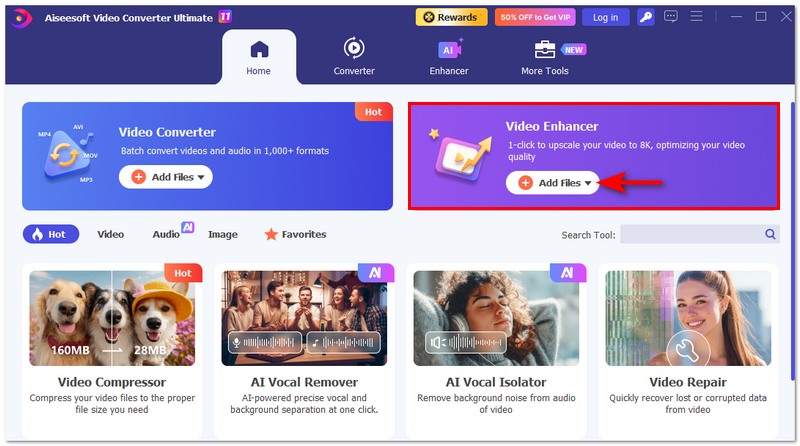
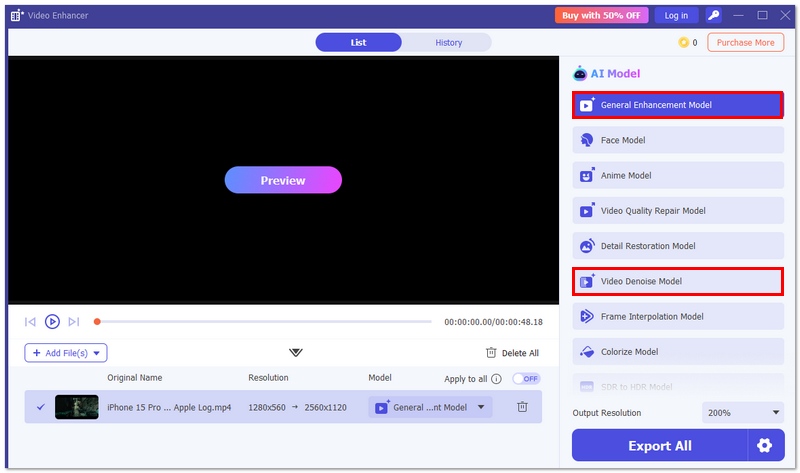
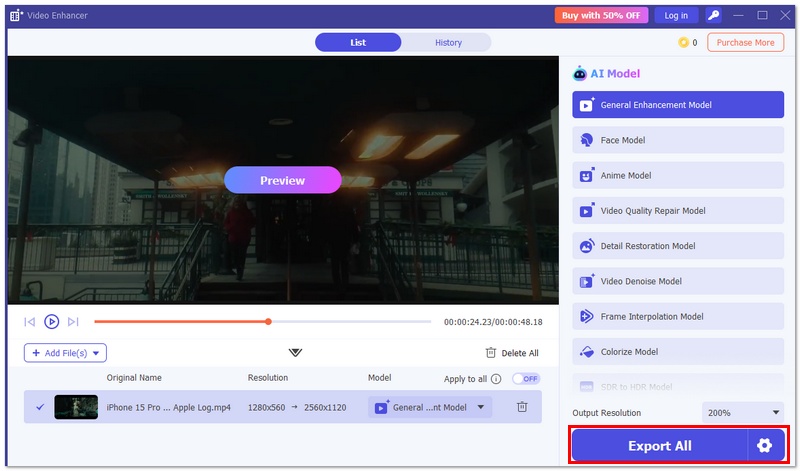
While it may not fully replicate the certified IMAX setup, tools like Aiseesoft VCU can still significantly improve your video quality—bringing you closer to that crisp and immersive viewing experience at home.
Is IMAX Enhanced only for movies, or does it work for TV shows too?
IMAX Enhanced content mostly consists of feature films, especially blockbusters and cinema releases. While some streaming services might have a few TV shows, typically the main emphasis is on movies made for the complete movie theater experience.
Do I need a special internet speed to stream IMAX Enhanced content?
Yes, because IMAX Enhanced delivers high-bitrate 4K HDR video with DTS:X audio, a stable internet connection of at least 15–25 Mbps is recommended for smooth playback.
Does IMAX Enhanced work with 3D movies?
Currently, IMAX Enhanced focuses on 2D remastered 4K HDR content. While some 3D movies may be available in standard 4K, the IMAX enhancements (aspect ratio and DTS:X) apply mainly to 2D formats.
Conclusion
Simply put, what is IMAX enhanced isn't a mere logo but a standard that aims to transform your home into a mini cinema. With wider visuals, immersive DTS:X sound, and 4K HDR remastering, IMAX Enhanced reveals the full life of a movie. Even if you do not own certified devices, video enhancers on your PC can allow you to enjoy a cinema-like experience.
 6 Best 4K Video Players for Windows and Mac
What is the best 4K media player for Windows? Or do you need one for a Mac computer? Check the list of the 6 best 4K players for smooth playback.
 Upload 4K Video to YouTube from Windows/macOS/iOS/Android
If you have problems uploading 4K videos to YouTube, you can’t miss this post, for it will tell you all about uploading and upscaling 4K to YouTube.
 Top 5 4K Recorders of 2025 – Record Best 4K Videos
If you are interested with 4K quality and want to but a 4k camera, please read this passage to get the best 4k video recorder for you.
 Leave your comment and join our discussion
Video Converter Ultimate is excellent video converter, editor and enhancer to convert, enhance and edit videos and music in 1000 formats and more.
100% Secure. No Ads.
100% Secure. No Ads.

*Required field
*Please enter a valid email