
Video Converter Ultimate
 100% Secure. No Ads.
100% Secure. No Ads.
Originally, I thought color correction and color grading were one and the same. At first, when I was learning video editing, I often heard editors talking about color correction and color grading as if they were the same. Honestly, I didn't grasp the difference between them well enough to even think that they deserved different names.
Actually, confusion about color correction vs color grading is a widespread problem that many beginners have. One is geared towards fixing the problems of your footage, whereas the other is focused on developing a particular visual style or mood. Getting what makes them different could drastically improve the quality of your videos and, at the same time, help you set up a more professional editing workflow.
Here is the detailed explanation of each process, why they complement each other so well, and finally, how AI technology can take color correction to a whole new level.
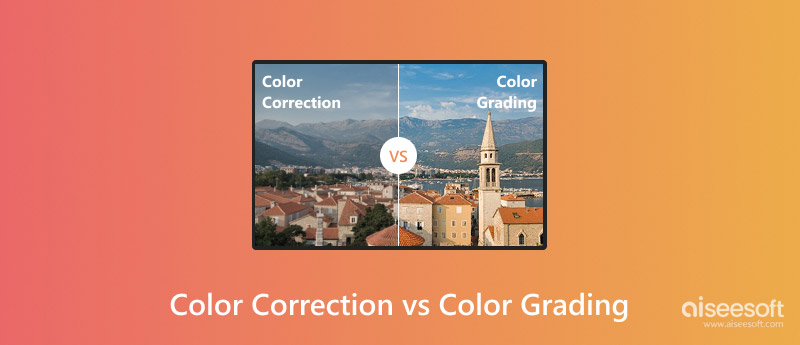
What is color correction? Well, color correction is correcting all technical issues in the shot so that it appears natural, correctly exposed, and neutral. I like to think of it as fixing the image before you apply grading.
When talking about color correction vs grading, the latter is the first thing we do. The main objective of color correction should be to fix problems that occurred during recording, like white balance issues, poor exposure, or poor contrast.
White Balance Correction
White balance determines the color of the light source to appear correctly on camera. If a video has a bluish, orangish, or any other colored tint, tweaking the white balance can help make colors appear more realistic again. As an illustration, skin color should match one's ethnicity and not be too warm or too cool looking.
Exposure Adjustment
Exposure can be defined as the total amount of light that is captured in a frame, Mostly overall brightness of a video. For example, if the footage is underexposed, it will be too dark, and shadow areas will lose their details. Then again, if the video is overexposed, it may look washed out, and details in bright areas can be lost. Color correction basically balances the brightness so that key details are always discernible.
Contrast Optimization
Contrast refers to the difference in luminance or color that makes an object distinguishable. It determines the range between the darkest and brightest parts of an image. Usually, images with low contrast tend to look flat and dull, whereas too much contrast often means details are hidden. Changing the contrast level can be a good way to produce a well-balanced and visually pleasing image.
Color Consistency
It is also critical to perform color correction in such a way that several clips can be matched with each other visually. If one shot has more saturated and brighter colors compared to another one, then color correction will be able to make the shots look more or less uniform throughout the project.
Color correction is all about making the colors technically right. It isn't intended to give a movie a particular look or style. It's about ensuring the video is neat, natural, and good for the next part of editing.
Once you've done the color correction on your footage, the next stage is color grading. To put it simply, while color correction is done to address technical issues, color grading is done to establish a certain visual style, mood, or to evoke a specific emotional response. If you compare color correcting vs color grading, the grading is the artistic process that imparts a video with its distinctive appearance and character.
Creating an Emotional Look
Color grading can really change the emotional response of viewers towards a scene. Using warm colors like orange and gold is a great way to give the impression of a cheerful, inviting, or nostalgic mood in a film, whereas cool blue hues can give off a sense of tranquility, drama, or mystery in the scene.
Establishing a Visual Style
Many movies, commercials, and online videos use color grading to create a recognizable visual style. For instance, a travel video may be characterized by bright, saturated colors, whereas a thriller film could use darker shades and less saturation to increase tension.
Enhancing Storytelling
The narrative is supported by color grading. Editors can direct the audience's attention across a scene, highlight significant moments, or accentuate emotions by using a variety of color schemes.
Creating Consistency Across Scenes
After color correction, sometimes footage from different places or different times of day visually won't match. Color grading can bring together all the shots in one style so that the finished product feels like a coherent whole.
Color grading is the step where creativity truly shines. Rather than only repairing problems, color grading is about changing a technically correct video into a more visually appealing video conveying a specific mood or atmosphere. This is why color grading is one of the most powerful tools in contemporary video production, by a wide margin.
Many beginners are tempted to head straight to color grading as it is the more creative and exciting part of the process. But professional editors perform color correction first, always. It is because color grading is most effective when the footage has accurate colors, balanced exposure, and proper contrast.
Color Correction Creates a Clean Foundation
Color grading usually does the opposite and highlights the problems if a part has the wrong white balance, bad exposure, or colors that change in a weird way. So first, by fixing the video, you are making sure that you have a good and neutral image as a starting point that you can work on.
Grading Cannot Fix Major Technical Issues
Color grading tools serve mainly to establish a mood or style, and not to fix footage. For instance, putting a cinematic effect on an underexposed clip will not bring back the lost shadow details. Technical issues need to be fixed at the correction stage.
Consistency Becomes Easier
If you color correct multiple clips at the beginning, they will match in color more and will be more consistent with each other. This way, it gets easier to do a color grade of the whole project without some scenes appearing different visibly.
Better Control Over the Final Look
Once color-corrected, your video offers more freedom in grading. Color and brightness are balanced beforehand, so aligning with creative choices won't have to be side by side with fixing the technical deficiencies.
The Professional Workflow
Consider color correction as the process of getting a canvas ready, whereas color grading is actually painting on it. If the canvas is not clean and well-prepared, the final masterpiece won't be at its best. This is the reason why pro editors usually do this: Color correct first, color grade later. By doing this, you'll get cleaner, more coherent, and more professional results.
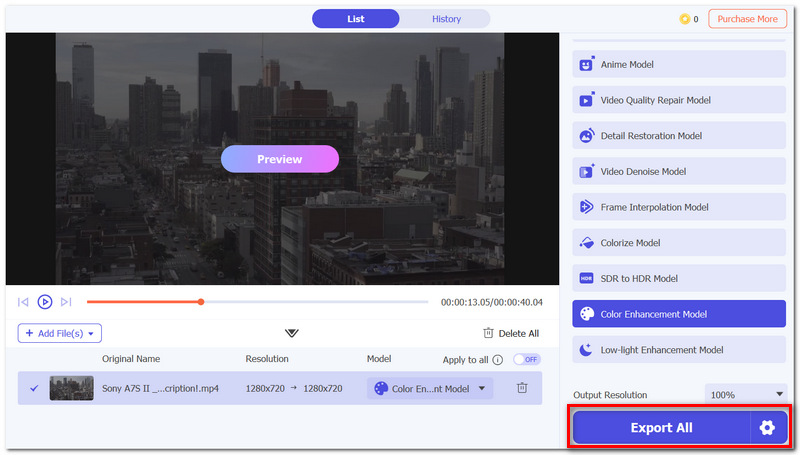
If you are not familiar with color correction and need a quick method to achieve desired results, then Aiseesoft Video Converter Ultimate is the perfect solution. Powered by AI, it helps enhance the quality of the video without the need for editing skills. Instead of making manual changes to white balance, exposure, and contrast, the program is capable of automatically analyzing the footage and enhancing it with just a few clicks.

Downloads
Aiseesoft Video Converter Ultimate
100% Secure. No Ads.
100% Secure. No Ads.
Steps to Color Correct Your Video
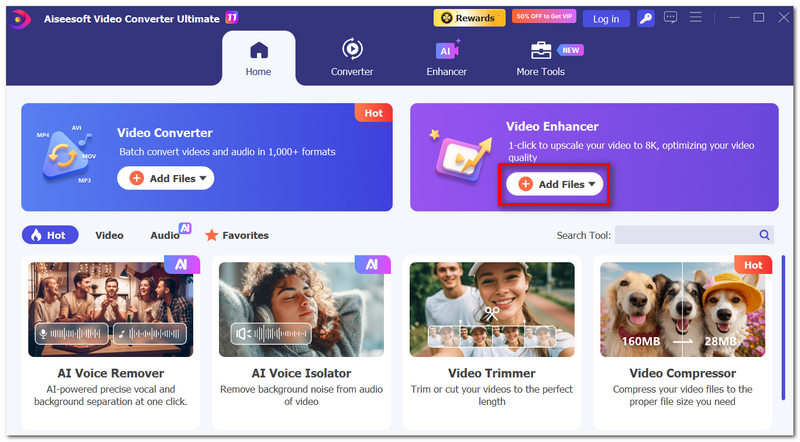
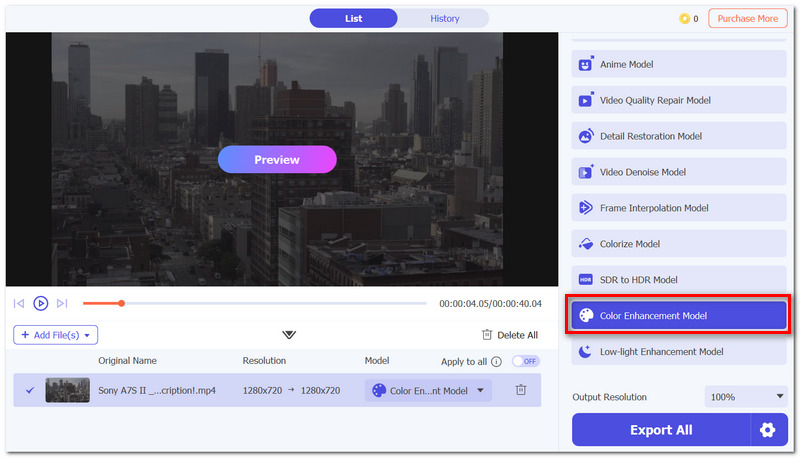
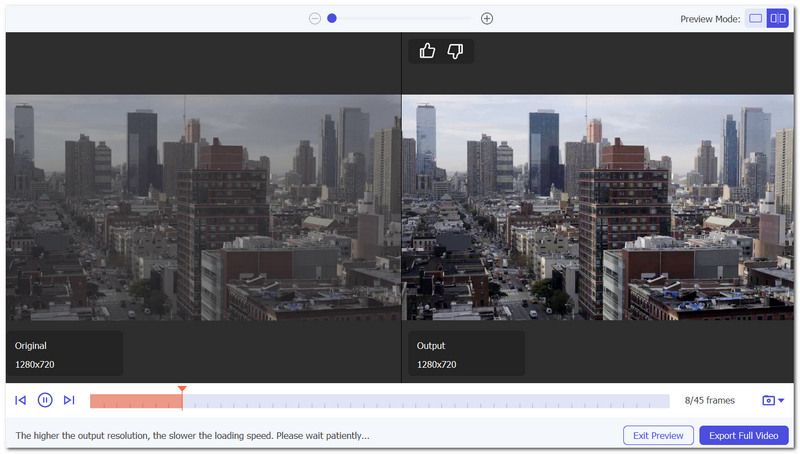
What is it that documentary filmmakers typically use lighter color grading than commercial advertisers?
Documentary films generally try to be as real and authentic as possible, whereas advertisements are more likely to use intense color stylings to evoke certain emotions in the viewers.
Are grading for social media and grading for television quite different?
Yes. Since social media videos are mainly watched on small, bright screens, the color choices may need to be different from those of content intended for large TV displays.
Does color grading alone reveal a filmmaker's style?
Possibly. Many directors and colorists make their own unique color choices that can be identified in their works.
Conclusion
Understanding the difference between color correction and grading can be a key to producing quality-level videos. Color correction is the process of eliminating technical errors like white balance, exposure, and contrast. However, color grading is a set of operations aimed at changing the artistic way and the atmosphere that make the scene come alive. Once you master the time and method of applying these techniques, you will be able to make visually correct as well as emotionally attractive videos.
 Change Wallpaper Background Color on Desktops and Phones
Want to change your Windows blue desktop wallpaper or phone background? Learn step-by-step how to customize your background color.
 Change Portrait Background on iPhone, Android, and Online
How can I black the background color of my portrait? How do you change the portrait background to black online? Learn 3 ways to change your portrait background.
 Color Correction in iMovie and AI Alternative to Fix Colors
Can I do color correction in iMovie on a Mac? How to fix exposure in iMovie? Does iMovie have a color correction tool? Learn how to do color correction in iMovie.
 Leave your comment and join our discussion
Video Converter Ultimate is excellent video converter, editor and enhancer to convert, enhance and edit videos and music in 1000 formats and more.
100% Secure. No Ads.
100% Secure. No Ads.

*Required field
*Please enter a valid email