Transferring files between iPad and computer is a common, everyday need.
Whether you want to transfer your iPad data to a computer or copy files from a computer to an iPad, learning how to do it safely is crucial. There are several reliable ways to move files. This guide will outline four efficient methods for handling these transfers.
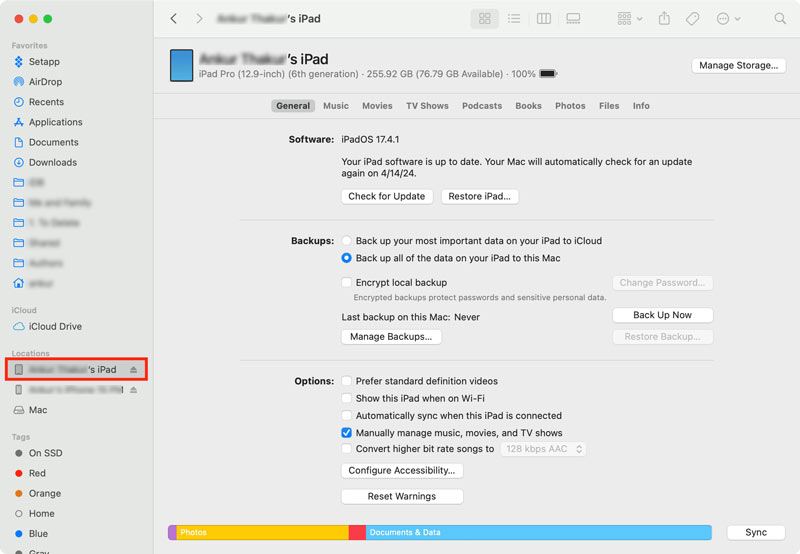
When you need to transfer files between an iPad and a computer, you can start with Apple’s built‑in tools. Finder (Mac) or iTunes (Windows) is the default tool for iOS data transfer and management. iTunes syncing via a physical cable is a traditional way to transfer data, especially for large media and heavy project files.
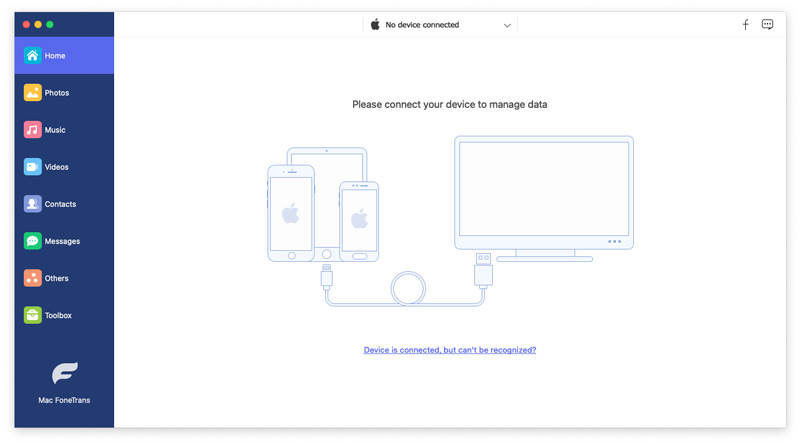
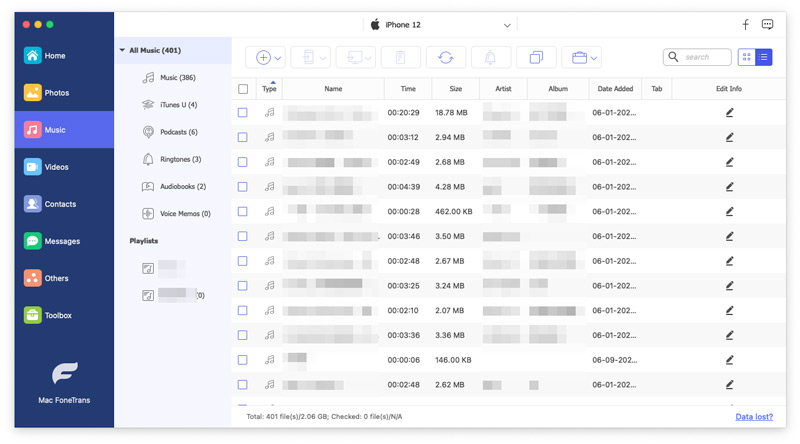
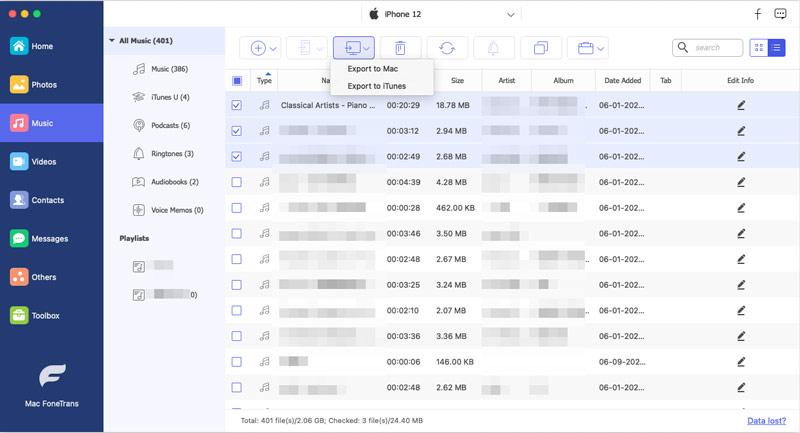
If you are dissatisfied with the official sync method for transferring files, a dedicated data transfer tool like Aiseesoft FoneTrans is often the best choice. It is specially designed to bypass Apple’s system limits and provide a straightforward way to handle all types of data. It supports all frequently used file types, including photos, videos, music, messages, contacts, voice memos, documents, and various app data. In addition, FoneTrans requires no network to transfer files between your iPad/iPhone and your computer.
 100% Secure. No Ads.
100% Secure. No Ads.
AirDrop is Apple’s wireless sharing feature that lets you quickly share files between Apple devices. It is perfect for transferring screenshots, video clips, and PDFs between an iPad or iPhone and a nearby Mac without cables.
Before you transfer files between your iPad and your Mac, you should ensure that both devices have Wi‑Fi and Bluetooth enabled. Moreover, you need to make sure their AirDrop’s discoverability is set to Contacts Only or Everyone.
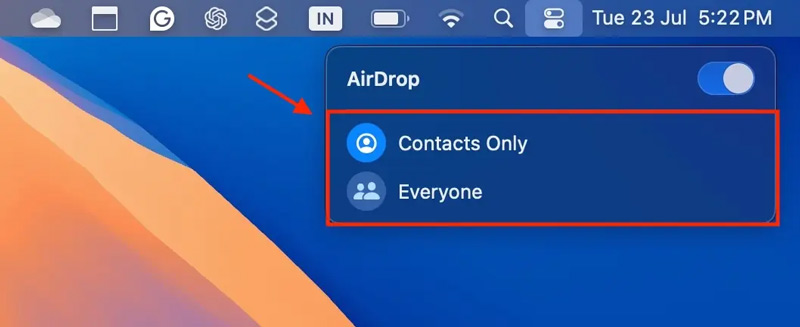

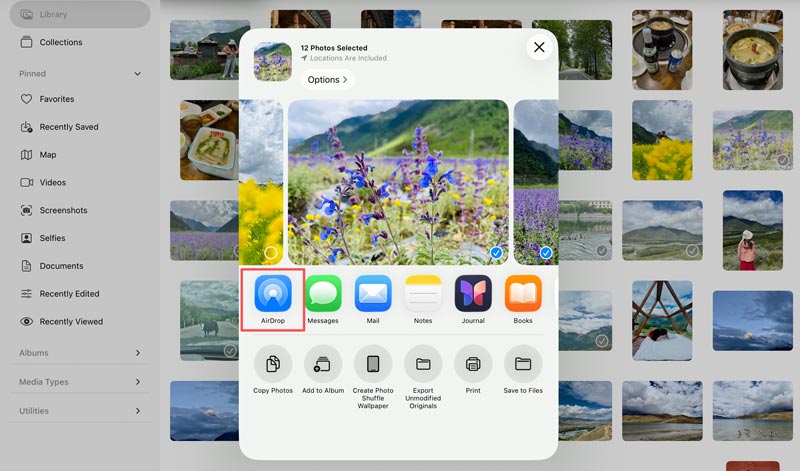
AirDrop supports all common file types, including images, videos, PDFs, text, and URLs. It requires no active internet connection or router to share your data. However, as mentioned, both devices must have Wi‑Fi and Bluetooth enabled.
When you don’t have cables on hand or simply need to move some small files, you can use an email to send them to yourself. Also, you can drop them into a messaging or social app. This method often has a file size limit. It is ideal to transfer small files between your iPad and your computer.
What app connects iPad to PC?
You can rely on Apple’s iTunes app to connect your iPad to a Windows PC. What is more, modern Apple Devices and iCloud for Windows apps can help you build the connection. If you want to transfer files between an iPad and a PC quickly, most email services, social apps, and messaging apps can do that.
Can I transfer files between my iPad and computer without a cable?
Yes. You can directly transfer files between your iPad and your Mac using AirDrop. This method does not require a cable. Alternatively, you can use cloud services, email, message, or social apps to share files.
Where do transferred files actually go on my iPad?
Based on the transfer method you used and the file type, the iPad data will be saved to different locations. If you use AirDrop, transferred files will be sent to the Downloads folder on your Mac. If you use Finder/iTunes File Sharing, the files will be stored in the folder for the app you synced them to.
Conclusion
In this post, you can learn four methods for transferring files between an iPad and a computer. iTunes/Finder is the official tool to handle all types of data. Besides, if you prefer native wireless integration, AirDrop is a good choice. However, in some cases, when you deal with large media files, a dedicated transfer tool like FoneTrans provides maximum granularity of control. Surely, for daily small files, you can use a messaging or social app to send them with ease.
 Learn How to Fix AirDrop Not Working on iOS 18/17/16/15/14
Why does AirDrop not work after updating? How to AirDrop on iOS 18/17? Why is AirDrop waiting but not sending? Learn to fix AirDrop not working on iOS 18/17/16/15/14.
 How to Transfer Files from iPad to Mac With or Without iTunes
How to transfer files from iPad to Mac without iTunes? Can I copy iPad data to Mac using Bluetooth? What is the best iPad to Mac transfer? This post shares 5 iPad to Mac transfer tools to help you move files from iPhone or iPad to your Mac.
 How to Fix Mac Finder Not Responding (Slow, Not Working and More)
Read and figure out what to do to fix Finder not responding. No matter your Mac Finder app is slow or not working at all, you can get the complete solutions here.
 Leave your comment and join our discussion
Transfer data from iPhone/iPad/iPod to your computer or reversely.
100% Secure. No Ads.
100% Secure. No Ads.

*Required field
*Please enter a valid email