It can be quite frustrating if your iPhone keeps freezing or becomes temporarily unresponsive.
The iPhone keeps freezing problem may have multiple manifestations, such as the screen doesn’t respond, one certain app won’t close, or it gets stuck while playing a game. Many Apple users reported similar issues across virtually every model, from the latest iPhone 17 series all the way back to older devices.
In fact, recent reports have highlighted that even iOS 27 introduced a bug that freezes the iPhone screen, especially when you quickly swipe down from the top corners of the home screen. While the specific triggers vary, the underlying causes usually fall into several key factors. This guide explains why your iPhone may freeze and shares 7 real repair steps to troubleshoot.

A frozen iPhone isn’t usually a hardware failure. Instead, it is often due to a resource conflict. When the system runs out of memory or storage to process what you are asking, the interface stops responding until the process finishes. Understanding the root cause can help you better resolve the problem. The first section will talk about the possible reasons why your iPhone keeps freezing.
- One common culprit is insufficient storage space. When your iPhone’s storage is nearly full, it may struggle to manage temporary files and cache data. When storage runs out, everything slows down, and freezing becomes a common issue, especially for some heavy apps and games.
- Background app overload is also a common trigger. If many apps are running in the background, they will keep consuming memory and processing power. Your iPhone may become lagging or unresponsive. Similarly, a single buggy app can cause your iPhone to freeze.
- Outdated software is another major factor. Apple suggests that you keep your device updated. iOS updates don’t just add new features. They also fix bugs and improve system stability. Generally, as long as your iPhone receives the update prompt, you should update it. You should know that certain apps may not be fully compatible with your current system.
- In some cases, the freezing issue is caused by the new system. For instance, many users reported related issues after upgrading to the latest iOS 27. For my personal example, my iPhone 13 Pro Max randomly freezes once iOS 27 is installed. What’s more, there are some issues with the AirDrop function and the Photos app. So, you should be careful about installing a new iOS on a relatively older iPhone.
- Overheating is a physical cause that you and many users overlook. When your iPhone gets too hot, the system will lower performance to protect internal components. That can lead to the iPhone freezing issue. Besides, if your iPhone is running too cold, it may also freeze.
Battery health and low power mode. If your iPhone’s battery health (Settings > Battery > Battery Health) is under 80%, you should replace it. The factor matters more than most people realize. An old battery with degraded capacity often fails to deliver consistent power during demanding tasks. What’s more, when your device is at a very low battery and Low Power Mode is enabled, the overall performance of your iPhone will slow down. Sometimes, it causes the device to stutter or freeze unexpectedly.
When you encounter the iPhone keeps freezing or other issues, most guides say “restart it,” and you should do it first. A simple restart may easily solve your problem and get your phone back to normal. What if your iPhone is unresponsive and doesn’t let you power off? Start with 3 quick fixes below.
When your iPhone is completely frozen, you can’t handle it with a regular restart. Instead, a force restart is your first try. It uses physical button combinations to force shut down the device. The steps differ depending on your iPhone model:
For iPhone 8, SE, X, XR, XS, 11, 12, 13, 14, 15, 16, and 17 series: Quickly press the Volume Up button, then quickly press Volume Down. After that, press and hold the Side (Power) button until you see the Apple logo. Release the button once the logo appears.
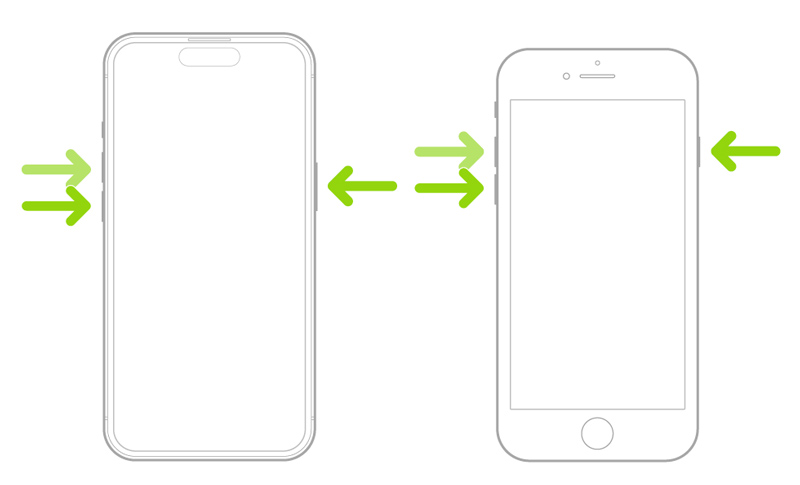
For iPhone 7 and 7 Plus: Press and hold both the Volume Down button and the Side (Power) button simultaneously. Keep holding them until you see the Apple logo, then release.
For iPhone 6s and earlier: Press and hold both the Home button and the Top (or Side) Power button at the same time.
Once the Apple logo appears, your iPhone will reboot normally. This simple step resolves the majority of temporary freezes caused by software glitches. In most cases, it can resolve the iPhone keeps freezing problem with ease.
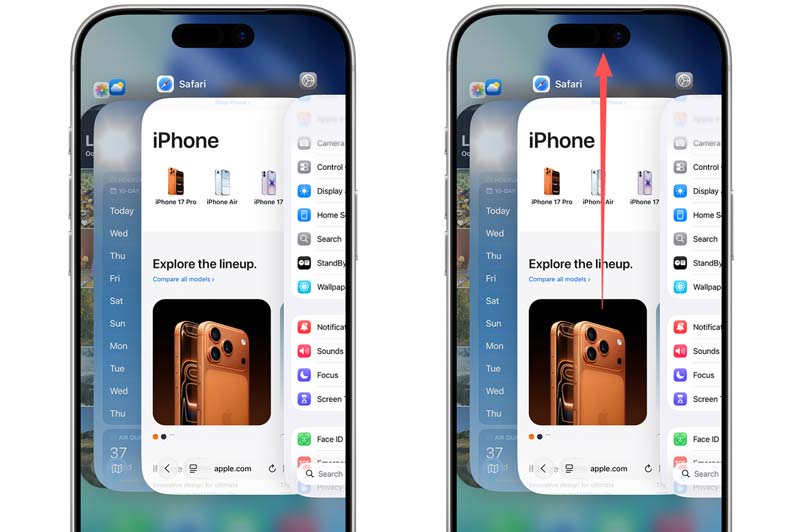
If your iPhone’s freeze is not the entire system, try closing all the background apps to troubleshoot. If the freezing issue is caused by one buggy app, you can force-close the problematic app to fix it.
Swipe up from the bottom of the iPhone screen and pause in the middle to raise the App Switcher. Find the frozen app’s preview card and swipe it upward to close it. As mentioned, you can directly close all the apps running in the background. For a certain app, you can reopen it to see if it works properly.
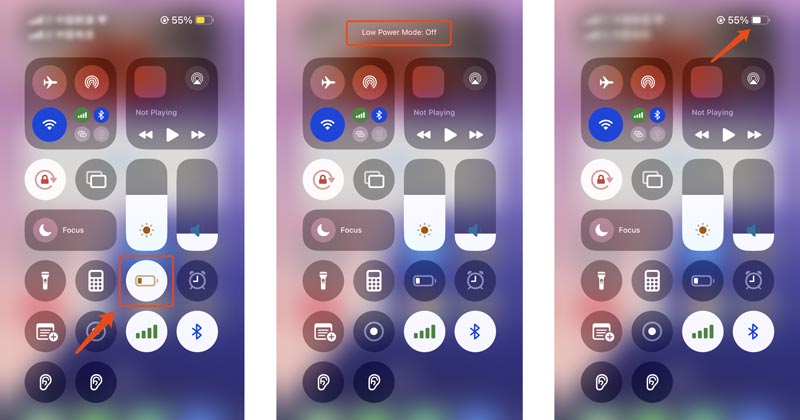
If your iPhone freezes when the battery is critically low, you should plug your device into a charger and ensure it has enough battery. You’d better let your iPhone be charged for at least 15 to 20 minutes before trying to use it again. Also, you should turn off Low Power Mode.
At the same time, check whether your iPhone feels unusually hot to the touch. As mentioned, overheating is a frequent but often ignored cause of freezing, and simply letting the device cool down can resolve the issue. If it does, move it to a cooler environment and avoid using it while it is charging.
If force restarts and app management don’t solve the problem, it’s time to use some more advanced repair steps.
If your iPhone runs a very old version of the software, you should update it to the latest available version. Apple releases iOS updates that fix known bugs, improve security, and enhance the overall system performance.
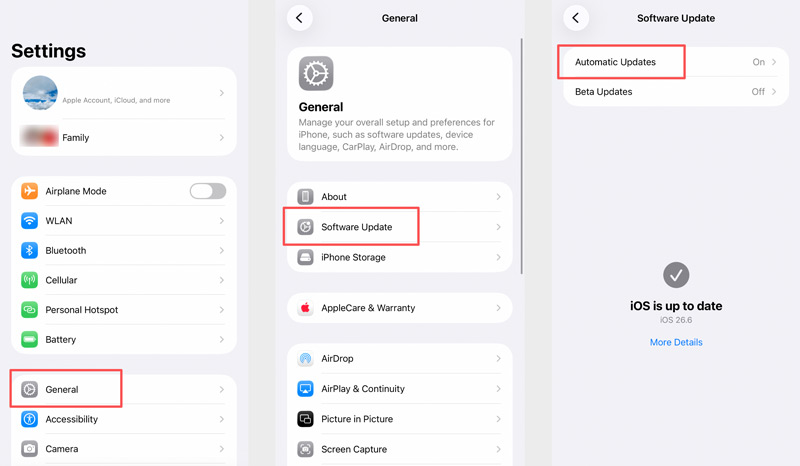
To update iOS, you can go to the Settings app, tap General, and choose Software Update. If a new update is available, tap Update Now and follow the on-screen instructions. During the process, you should make sure your iPhone is connected to Wi-Fi and has enough battery life. You can plug it into a charger before starting the update.
When your iPhone’s storage is nearly full, the system has no room to handle temporary files, cache data, or memory efficiently. You will be prompted to free up your iPhone space through several official ways.
Go to Settings, tap General, then go to iPhone Storage. At the top, you will see a bar showing how much space is used and how much remains. If your available space is below 5 GB, you should clean up immediately.
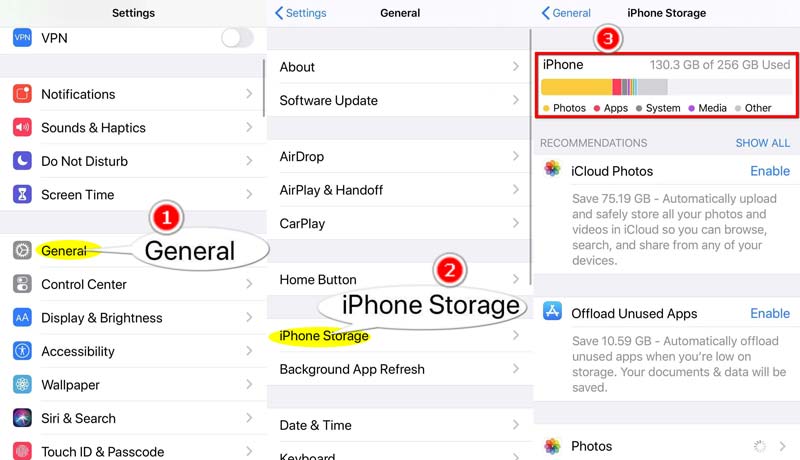
You can offload apps you don’t use frequently, or delete large files, old videos, duplicate photos, and apps you no longer need. Ensure you have checked the “Recently Deleted” album in Photos. You can empty the folder to get more space.
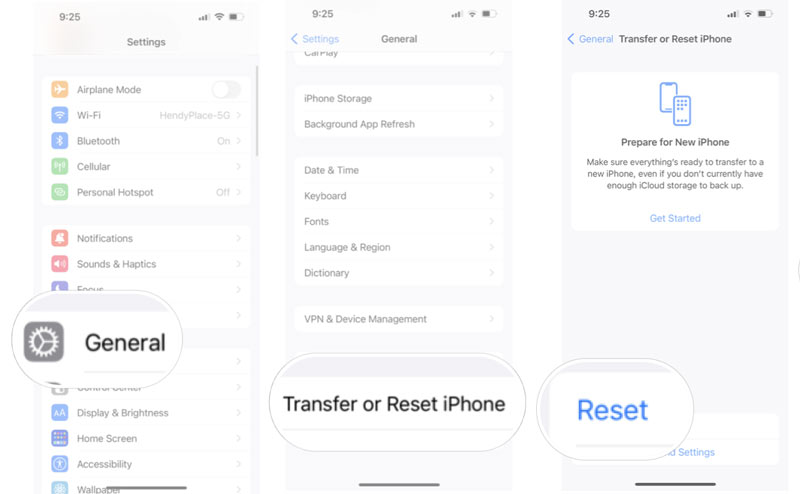
If the iPhone keeps freezing, resetting all settings can help without erasing your personal data. This action restores your iPhone’s settings to their factory defaults and may fix the issue.
Go to Settings, tap General, tap Transfer or Reset iPhone, tap Reset, then choose Reset All Settings. Enter your device passcode if required, and confirm the action.
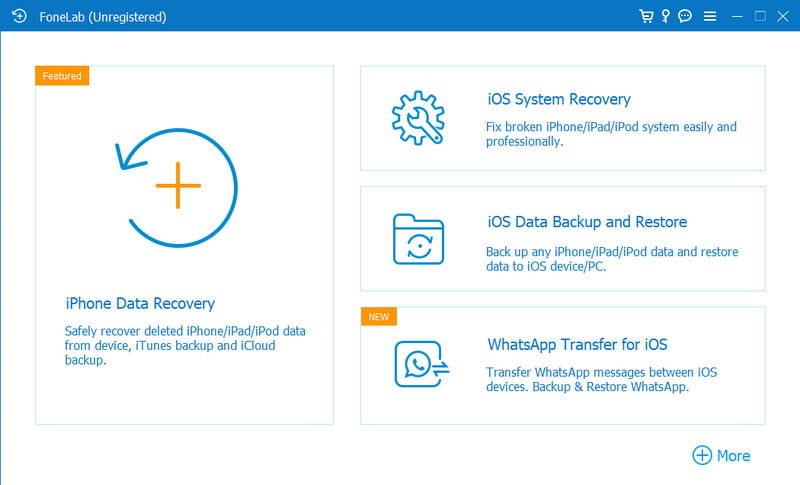
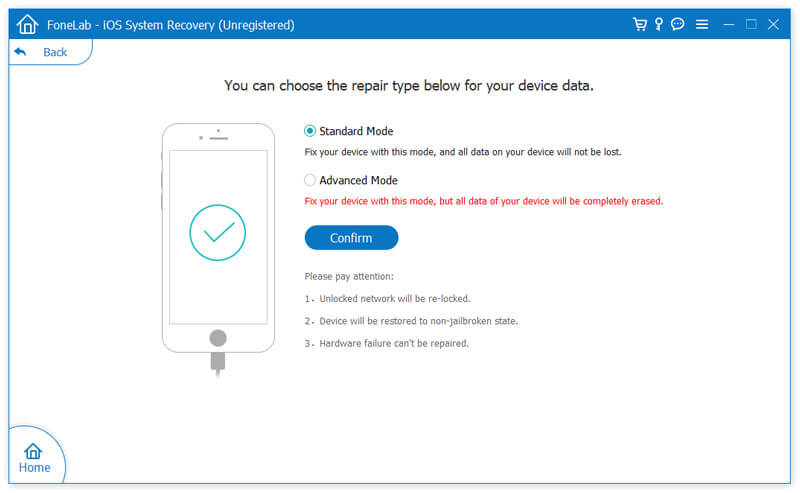
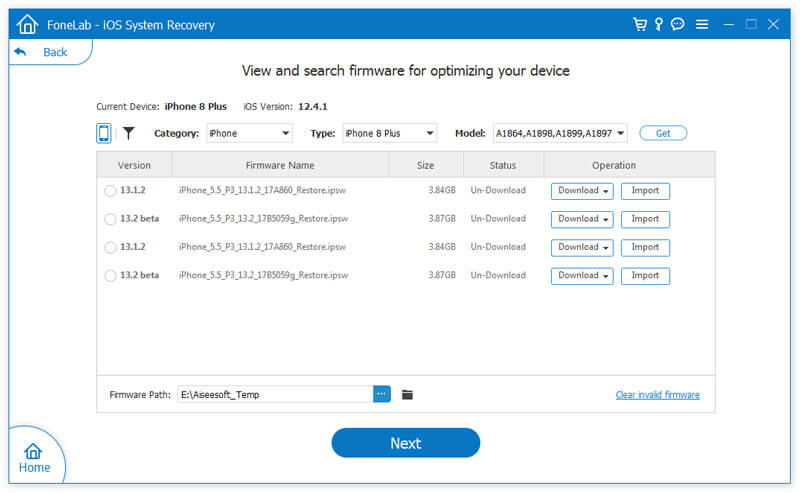
If all the above attempts fail to fix the issue, you should turn to a dedicated iOS repair tool like Aiseesoft iOS System Recovery. The software is designed specifically for various situations where your iPhone is frozen, stuck on the Apple logo or the Headphone Mode, trapped in Recovery Mode, or facing other system-level failures. It can help you fix these issues without wiping your iOS data.
 100% Secure. No Ads.
Prevention is always better than troubleshooting. This section would like to share several useful tips to help your iPhone stay in good condition. They can effectively reduce the chances of your iPhone freezing again.
- Keep your iPhone storage at least 20-30 GB of free space at all times. You should frequently check your space and remove unnecessary large files, mainly old videos and photos.
- Update iOS and apps regularly. You should turn on “Auto Update” to ensure your Apple device always has the latest software. What’s more, you need to check app updates manually. Many app updates are related to improving compatibility and fixing bugs.
- Turn off Background App Refresh for certain apps that don’t need. Access this feature under Settings > General > Background App Refresh. Scroll down to disable useless ones. This can save system resources and keep your iPhone running more smoothly.
- Do not keep using your iPhone to play games or watch videos for a long time, such as one hour or more. Also, you should avoid exposing your iPhone to extreme temperatures. Whether your device is too hot or too cold, its battery and internal components won’t work properly. This leads to performance issues.
- Pay attention to your battery health and other hardware condition. If your iPhone’s battery health has dropped below 80%, consider having it replaced.
Question 1. Why does my iPhone freeze every time I open a specific app?
This usually indicates that the app itself has a bug or is incompatible with your current iOS version. Try updating the app first. If the problem persists, delete the app and reinstall it.
Question 2. Is it safe to use third-party tools like Aiseesoft to fix my iPhone?
Reputable tools like Aiseesoft iOS System Recovery are widely used by millions of users and considered safe to use, especially for standard repair operations. They are designed to work without a jailbreak. However, you should always download software from official sources and back up your iPhone data.
Question 3. Do I need to manually restart my iPhone to keep it running smoothly?
Generally, you don’t need to manually power off your iPhone and then restart it. However, a simple restart once a week can help give the system a clean slate, clear temporary files, and refresh background processes.
Conclusion
This guide has mainly explained why the iPhone keeps freezing issue happens and told 7 exact steps to fix it. Whether your iPhone has a frozen screen, app crashes, or buggy update issues, you can use them to troubleshoot. Most freezing issues can be easily resolved. However, if you have tried everything and your iPhone still freezes regularly, you may consider using the “Advanced Mode” in Aiseesoft iOS System Recovery. Also, you can contact Apple Support for a hardware diagnostic.
 7 Ways to Unlock iPhone Without Passcode (2026 Works) - 99% Success
Locked out of your iPhone or forgot your passcode? We tested 7 ways to unlock iPhone without passcode. Compare success rates, speed, data loss & best options.
 iPhone No Sound? 7 Tips to Fix No Sound on iPhone (iOS 26/18)
iPhone is stuck in headphone mode? Why is my iPhone 15 speaker not working? How do I unmute my iPhone 17? Learn 7 proven methods to fix iPhone no sound issues.
 iPhone Scrolling on Its Own? 7 Easy Fixes for Ghost Touch
Why does my iPhone 11 keep scrolling up on its own? How to stop ghost scrolling? Learn the main causes of the iPhone ghost touch issue and get 7 tips to fix it.
 Leave your comment and join our discussion

Fix your iOS system to normal in various issues like being stuck in DFU mode, recovery mode, headphone mode, Apple logo, etc. to normal without any data loss.
100% Secure. No Ads.
100% Secure. No Ads.

*Required field
*Please enter a valid email