When you notice that your Mac’s storage is almost full, you may wonder if you can remove some unnecessary files to quickly free up space. Besides unused apps, you can manage your Downloads folder and delete useless files.
You should know that every time you download a file, such as an app installer, a video clip, a picture, or a zip archive, it is stored in your Mac’s Downloads folder by default. Over time, these files will eat away at disk space and potentially slow down your system. So, it’s necessary to delete downloads on a Mac.
Whether you want to delete all downloads or certain files on a Mac Air, Mac Pro, Mac Mini/Studio, or any other model, the process is the same. Follow the 3 methods below to delete files from your Mac’s Downloads folder.
The most direct solution to delete downloads on Mac is simply opening the folder and removing what you do not need. This is the method I recommend for anyone who downloads a modest number of files and wants full control over what stays and what goes.
You can use this method to easily delete multiple downloads on your Mac. Moreover, this method is ideal for users who want to review each file before deleting it.
Every browser, including Safari, keeps a record of what you downloaded, along with cached copies of web content. These browser caches can accumulate into hundreds of megabytes. Clearing this data is a key part of how to delete downloads on Mac thoroughly.
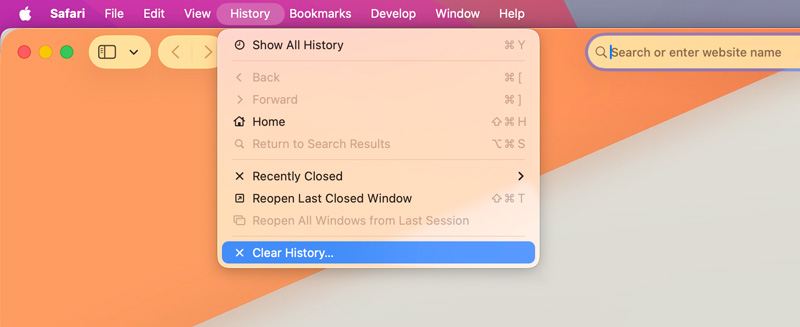
Open Safari, click History in the menu bar, then select Clear History.
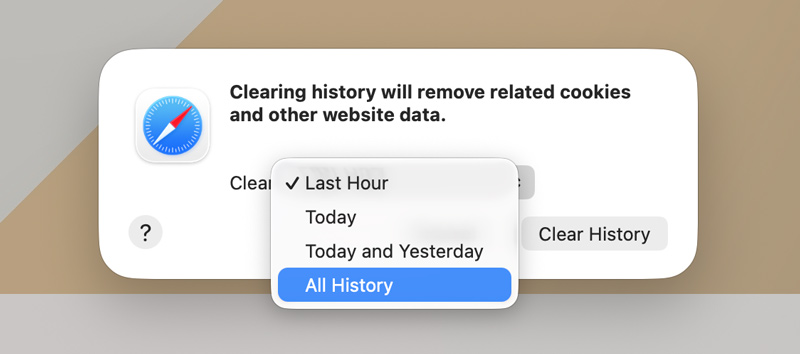
Choose All History from the dropdown and click Clear History. This wipes your browsing and download records.
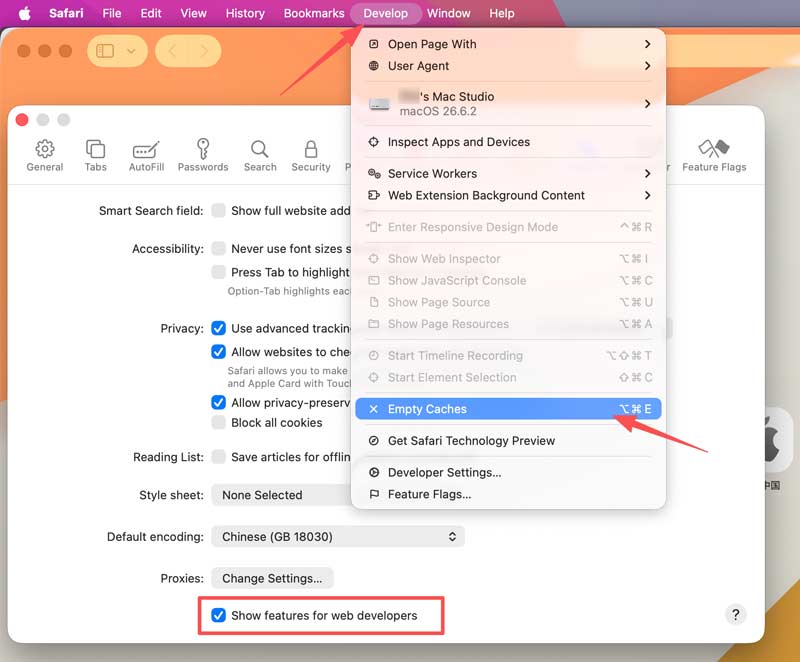
To clear the cache specifically, go to Safari > Settings > Advanced and check Show Features for Web Developers. The Develop menu now appears. Click Develop > Empty Caches.
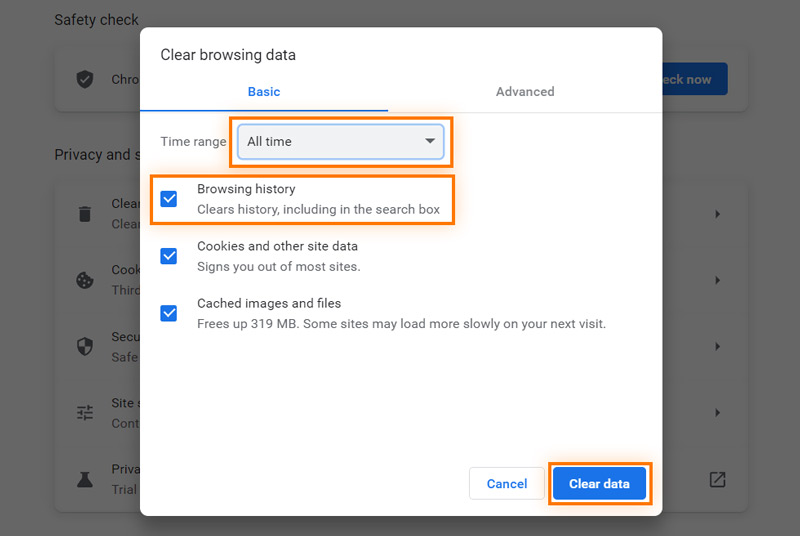
If you need to clear Chrome download history. You can click the three-dot menu, go to History > History, then click Clear Browsing Data on the left.
Set the time range to All Time, check Browsing history and Cached images and files, then click Clear Data. This removes the download record and the cached copies Chrome stores locally.
If your Downloads folder has gathered thousands of files, or you prefer to skip the manual sorting process, you can turn to a dedicated cleaner. Aiseesoft Mac Cleaner is one of the Mac data cleaning and organization tools I have tested for this purpose. It scans your device, identifies junk, large, and old files, and lets you remove them directly.
 100% Secure. No Ads.
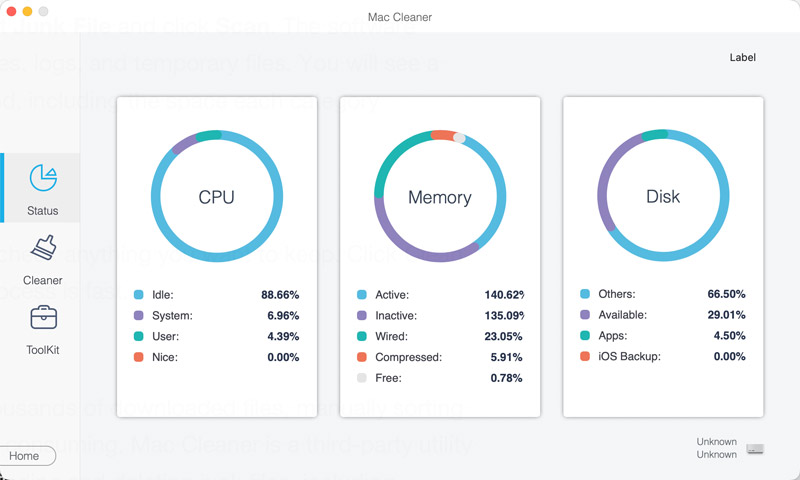
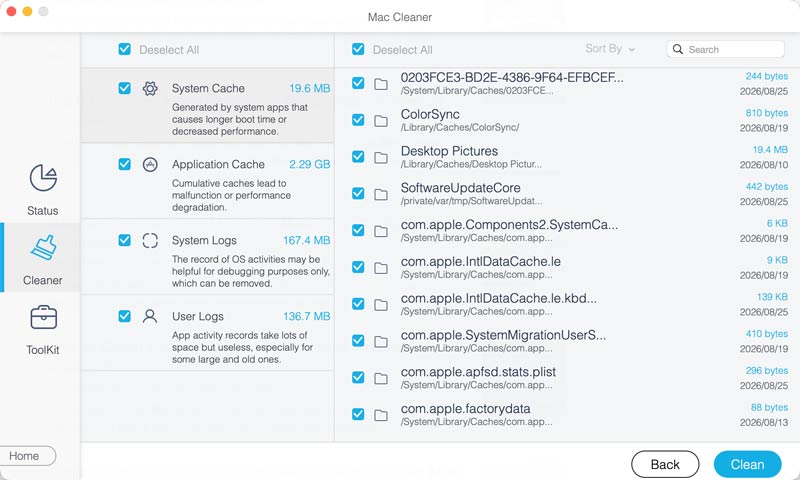
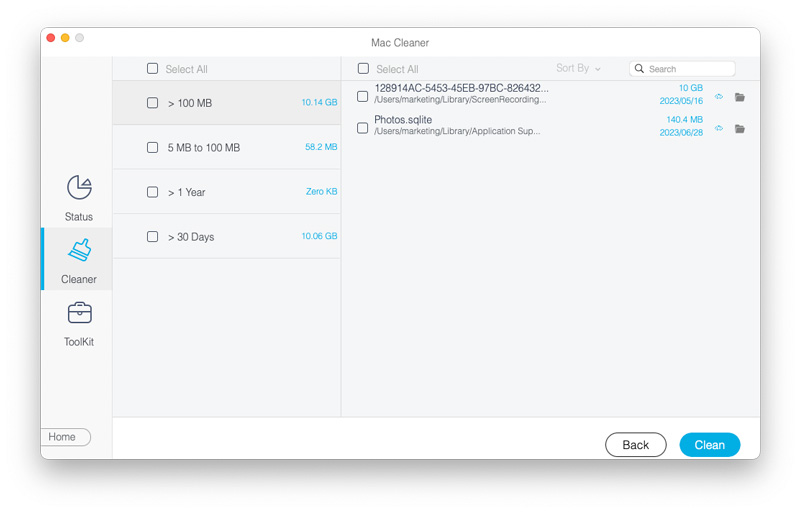
If you are dealing with hundreds or thousands of downloaded files, manually sorting through them can be tedious and time-consuming. Mac Cleaner is a third-party utility designed to automate the process of finding and deleting junk files, including downloads, cache, temporary files, and duplicate files. It scans your system, identifies files you likely don’t need, and lets you delete them in bulk with just a few clicks.
Question 1. Can I delete downloaded files to speed up my Mac?
No. Deleting files on your Mac does not increase processing speed or overall performance. However, if your Mac’s startup disk is nearly full, you can remove unnecessary data to make system response faster.
Question 2. Can I recover files deleted from Downloads?
Once you have emptied the Trash, recovery becomes difficult—though it may still be possible using specialized data recovery software, provided the deleted files haven’t been overwritten by new data. The most reliable and straightforward recovery method, however, is Time Machine. If you have it enabled, you can easily restore the files by browsing your backup history.
Question 3. Does deleting a file from Downloads free up Mac storage immediately?
No. When you delete a file and move it to the Trash, it still occupies storage space until you empty the Trash. If you want to free up your Mac’s storage immediately, you should empty the Trash after deleting files. Also, you can press Command + Option + Delete to permanently delete files on your Mac immediately.
Conclusion
Learning how to delete downloads on Mac can help you better manage your Mac’s storage space. A clean Downloads folder means more storage for important data. Also, it can potentially improve the overall performance. My recommendation is straightforward. If your Downloads folder has fewer than a hundred files, sort by size and clear it manually. If it has grown into the thousands, or if you also want to remove leftover app files and caches on your system, use a dedicated tool like Mac Cleaner.
 How to Clear Cookies on Mac Pro/Macbook/Air/mini
How to clear cookies on Mac? This post will show you the ways to delete cookies from Safari, Chrome and Firefox on Mac Pro/mini, Macbook Pro/Air, iMac, etc.
 Complete Tutorial on How to Upgrade macOS
How can you upgrade your macOS? This post will show you 2 ways to upgrade your macOS. Also, preparations before you do it are offered.
 How to Recover Deleted Photos on Mac: Top 5 Recovery Ways
Is it possible to recover deleted photos on a Mac after 30 days? Are permanently deleted Mac photos truly gone? Learn 5 ways to retrieve your lost Mac photos.
 Leave your comment and join our discussion
Free up Mac
Clean Up Useless Other Files Memory Cleaners for Mac Top 10 Alternatives to CCleaner Adwcleaner Fix Safari Running Slow on Mac Clean Up Useless Other Files Find and Remove Duplicate Files Mac Running Slow Change Default Browser on Mac
Mac Cleaner is a professional Mac management tool to remove junk files, clutter, large/old files, delete duplicate files and monitor your Mac performance.
100% Secure. No Ads.

*Required field
*Please enter a valid email