
Aiseesoft Data Recovery
 100% Secure. No Ads.
100% Secure. No Ads.
Contents
Nothing is more annoying than wanting to open a very dear Word document and being faced with an error message or even a blank screen. Be it a report, a school paper, or a work file, losing access to it is dreadful. If you are seeing how to recover a corrupted Word file on Google because you are in that sort of a mess, don't worry, your file is not necessarily lost. Corrupted Word files can usually be fixed with simple built-in utilities or by applying reliable recovery techniques. This guide will assist you by showing you logical, detailed solutions so that you can restore your document and retrieve your essential content in no time.

Before jumping into solutions, it’s important to understand why Word files get corrupted in the first place. You can select the best recovery strategy and prevent the problem in the future by being aware of the source.
Here are the most common reasons:
• System or Application Crash
The file structure may be harmed if Microsoft Word or your machine unexpectedly crashes while the file is open or being saved.
• Power Loss or Improper Shutdown
Unexpected power outages or force shutdowns can interrupt the saving process, leading to incomplete or corrupted files.
• File Header Issues
The file header contains essential information that allows Word to read the document. If this part gets damaged, the file may fail to open.
• Virus or Malware Attacks
Files can be corrupted or altered by malicious software, rendering them unreadable or inaccessible.
• Storage Device Errors
File corruption during storage or transfer can be caused by defective USB drives, hard drive problems, or bad sectors.
• Compatibility Problems
Opening files created in different Word versions or formats may sometimes lead to corruption or errors.
How do I recover a corrupted Word document? One of the easiest and safest ways to fix a corrupted Word file is by using Microsoft Word’s built-in Open and Repair feature. This is the first approach you should try because it is specifically made to automatically identify and fix small file problems.
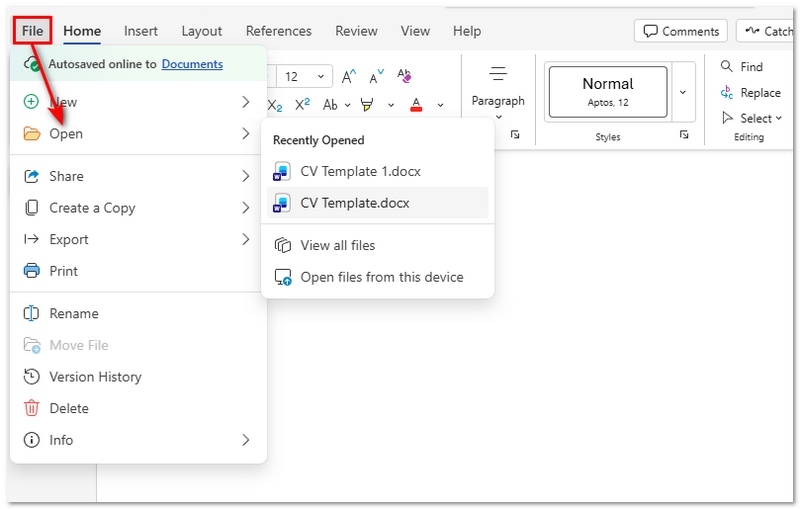
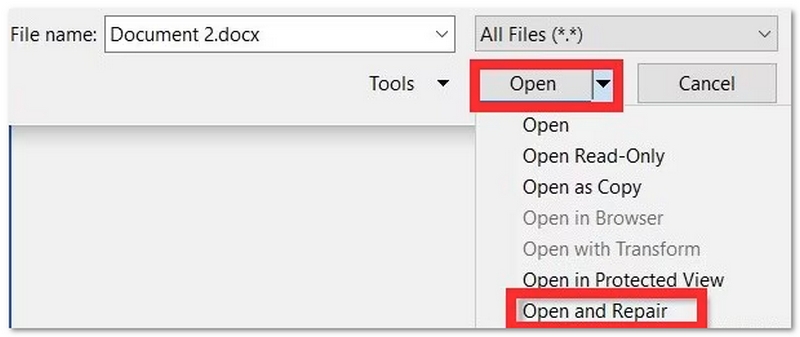
If successful, your document will open normally, and you can save a new copy to prevent further issues. This method works best for files with minor corruption. After recovery, you can find recovered word document on your computer.
If your Word document refuses to open at all, you can still try extracting the readable content using the Recover Text from Any File feature. This method focuses on retrieving the text from the document, even if formatting, images, or layout are lost. It’s a helpful option if you’re looking for how to retrieve a corrupted Word document when standard repair methods fail.
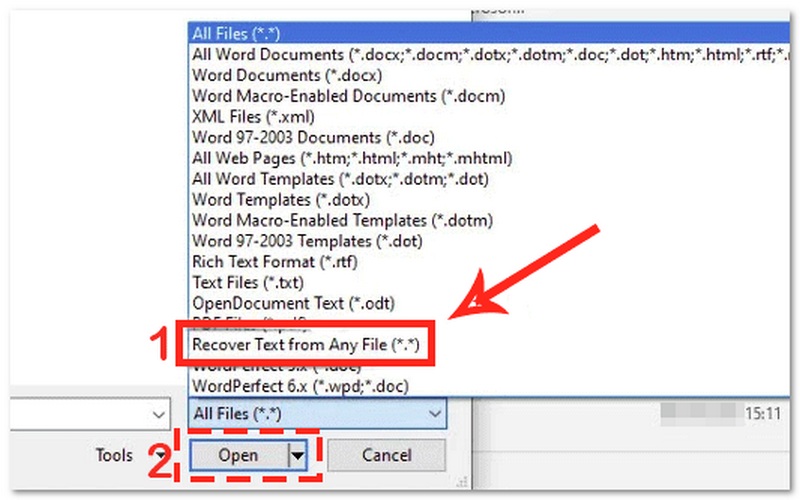
After opening, review the recovered content and save it as a new document. While formatting may not be preserved, this method helps you recover the most important part of your text.
If your document has layout or formatting problems - like messed-up headers - opening it in draft Mode might help. This setting strips away complex formatting so Word can show the main content clearly. It's at least in theory a good option when you're looking for how to recover a corrupt file in Word, and other solutions fail. Thing is, it doesn't always fix everything. Word still shows the text, but it may look plain and unorganized. The core message remains visible, and it helps you access what's inside.
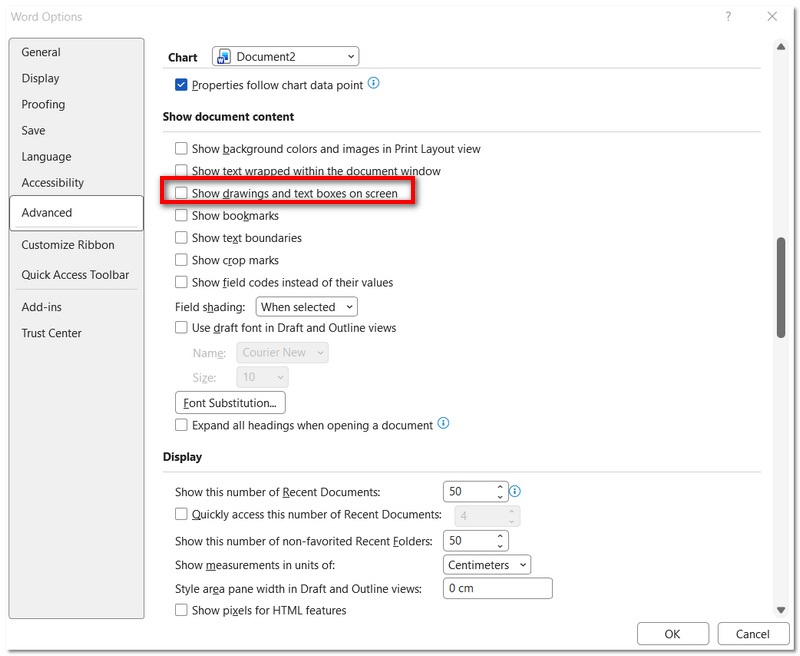

If the file opens, you can copy the text into a new document and save it safely. This method works best for documents affected by formatting or layout corruption rather than severe damage.
How do you recover a corrupt Word file? If built-in methods don’t work, using a professional tool like Aiseesoft Data Recovery can be your best option. This software is designed to recover lost, damaged, or corrupted files, including Word documents, with a higher success rate. It can deeply scan your storage and restore files even when they are severely corrupted.
100% Secure. No Ads.
100% Secure. No Ads.
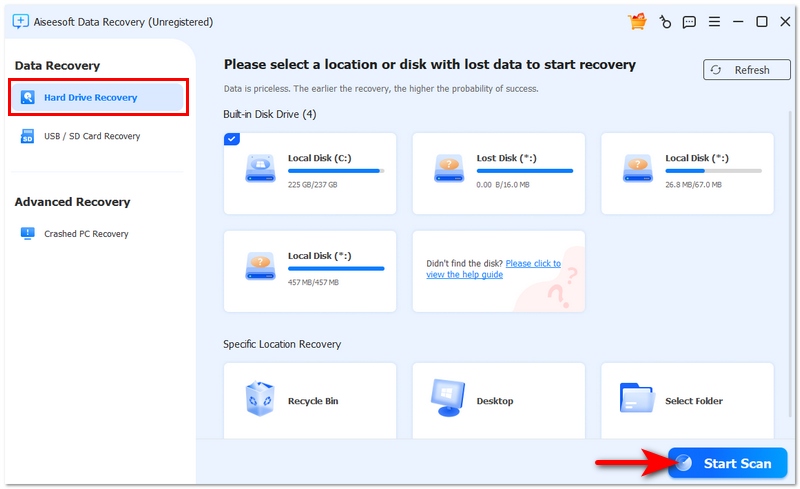
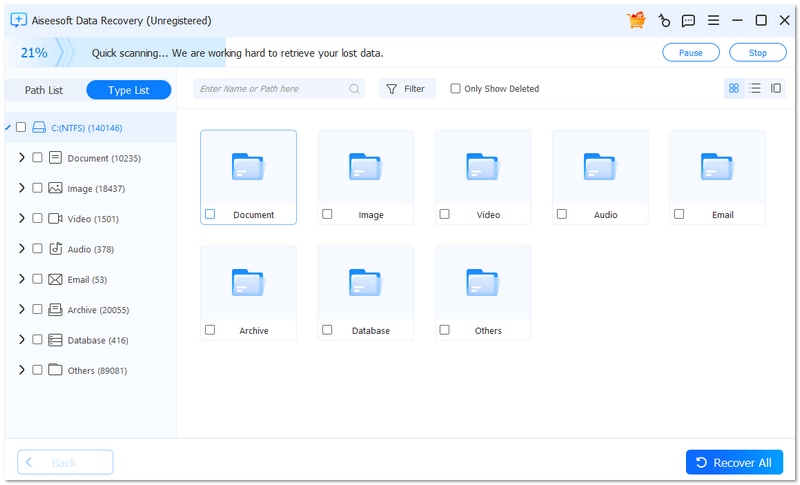
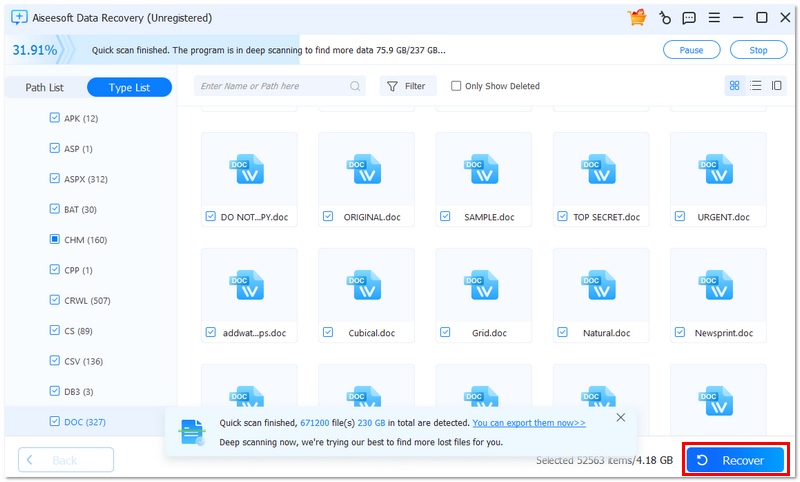
Why Choose This Method
When your file is severely damaged and needs sophisticated recovery methods, this approach is quite helpful. And if you still can’t retrieve it back, you can try restore your word documents to previous version to reduce your loss.
If I don't have Microsoft Word installed, can I still recover a corrupted Word file?
Yes, you can open it using free online tools or Google Docs. Some sites let you upload and view files without downloading software. A few third-party apps have recovery options, like Aiseesoft Data Recovery.
Does renaming a Word file help fix corruption?
In some cases, changing the file extension (e.g., from .docx to .zip) can allow you to extract readable content, especially for partially corrupted files.
Can Google Docs open corrupted Word files?
Yes, uploading the file to Google Docs can sometimes bypass minor corruption and allow you to recover or copy the content.
Conclusion
It seems the best approach is to stay calm and test each method one at a time, beginning with simpler solutions. Many times, files aren't fully gone. You only need the correct strategy to get them back. Some users panic when they see something corrupted in the title. If you're questioning yourself on how to retrieve a corrupted Word document, know that tools and techniques usually make recovery possible.
 How to Quickly Insert a Multi-Page PDF File into a Word Document
While you may be familiar with Microsoft Word for typing documents, the process of inserting PDF into a Word is another story. We share a step-by-step guide in this post.
 4 Free & Most Efficient Ways to Convert Word to JPG on the Web
You can easily transcode or convert Word to JPG with the best converters. So, if you are looking for a way to do it, this is the article for you.
 Top 5 Ways to Convert PDF to Word Files with High Quality
How can I change a PDF to a Word file for free? How do you turn a PDF into Word without Acrobat? Learn five effective methods to convert a PDF to a Word file.
 Leave
your comment and join our discussion
Leave
your comment and join our discussionRecover Various Data
1. Free Data Recovery Software
2. Recover Deleted Files in Windows
3. Recover Deleted Files from Recycle Bin Windows
4. Recover Permanently Deleted Emails

Aiseesoft Data Recovery is the best data recovery software to recover deleted/lost photos, documents, emails, audio, videos, etc. from your PC/Mac.
100% Secure. No Ads.
100% Secure. No Ads.

*Required field
*Please enter a valid email