
Best For: People who wish there were an easier way to remove unwanted files and make use of their Mac storage without digging deep into folders manually.
With the passage of time, Macs, like any other devices, seem slower. One of the reasons is the accumulation of multiple folders, applications, and background processes. As time passes, you might start to observe opening of apps taking longer to open, files loading slowly, or simply a delay while performing basic tasks. Yet, this does not necessarily imply that your computer should be changed. In most situations, doing a few cleanups and adjusting a couple of settings can help your computer operate better if it is a little bit slow. If you’re curious about how to speed up your Mac, then this post will offer some tips for how to free up space, decrease unwanted processes and keep your computer working smoothly.
A Mac may run slow due to multiple daily reasons. Too many files, for example, occupy space and, because of this, leave less room for the system to breathe, while background apps keep running, which in turn takes away memory and processing power. Launch programs at startup, old macOS versions, browser caches, and visual effects also put a strain on the system. Sometimes your Mac only needs a good clean instead of being upgraded hardware-wise. Understanding what processes or items are using up most of your Mac's resources enables you to determine which methods would bring the improvement in performance you'd want from your Mac.
Unfortunately, there's no universal solution for your slow computer. Sometimes, it's an issue with the storage drive, whereas other times, you have to blame your apps running in the background, software that's too old or system clutter. So that you know beforehand, here is a short description of the six methods to go about this:
| Optimization Method | Impact Level | Manual vs Automatic | Target Area |
| 1. Clean Up Disk Space with Aiseesoft Mac Cleaner | High | Automatic | Junk files and storage |
| 2. Disable Heavy Startup Programs | Medium | Manual | Startup apps |
| 3. Close Memory-Hogging Processes | High | Manual | RAM and background processes |
| 4. Update macOS | Medium | Manual | System software |
| 5. Clear Browser Caches and System Logs | Medium | Manual | Temporary files |
| 6. Reduce Visual Effects and Desktop Clutter | Low–Medium | Manual | Graphics and desktop resources |
Out of the several alternatives available, Aiseesoft Mac Cleaner stands out as the best option for getting rid of the slowdown that typically comes with collecting old files and other junk. Its main advantage is that it enables users to perform a lot of the cleaning up tasks right from that single application without needing different tools for each task.
Best For: People who wish there were an easier way to remove unwanted files and make use of their Mac storage without digging deep into folders manually.
If your Mac has started being slow because of so many junk files and unnecessary items that have been kept, Aiseesoft Mac Cleaner offers you a simpler way to clean them off your Mac. It allows you to scan and find system files, large and old files, duplicated files, and unwanted apps, freeing up storage space while you do everything that you normally do on your computer.
Main Features
 100% Secure. No Ads.
Steps to Clean Up Your Mac
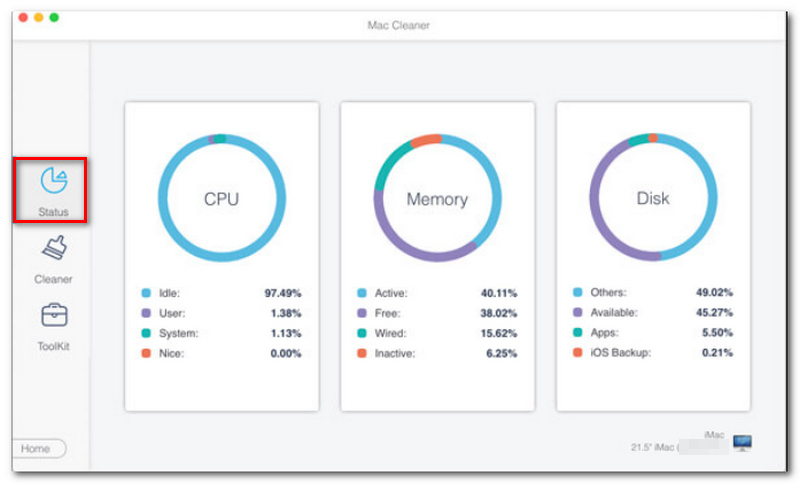
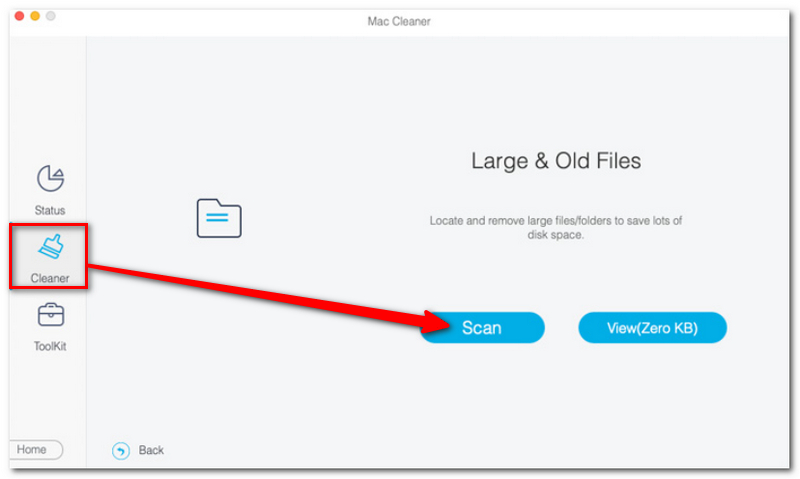
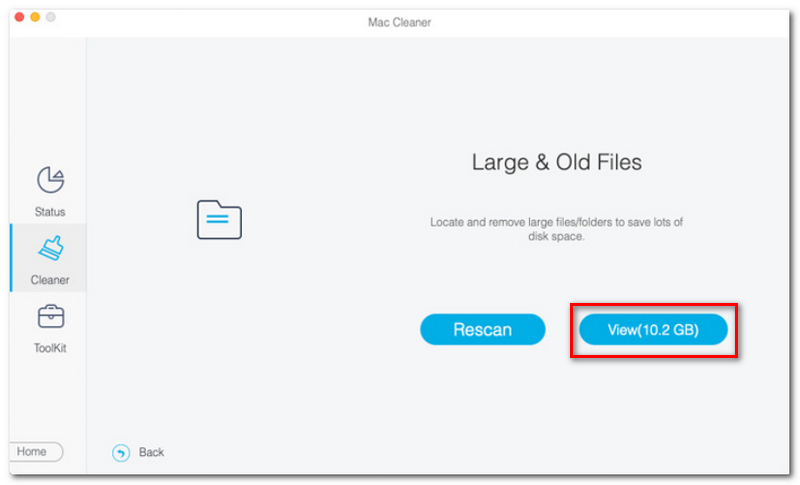
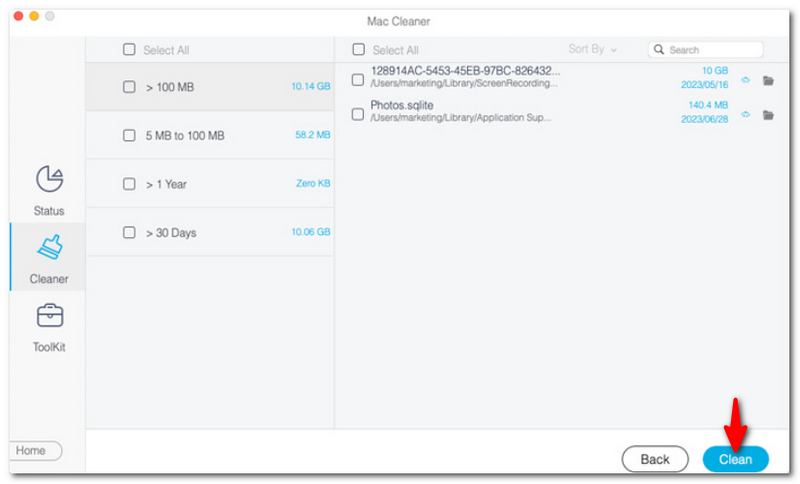
How to speed up my Mac? I'd start with this method when storage clutter is one of the main things slowing the system down.
Best For: Macs that are slow to boot or, after logging in, that are really slow.
Too many startup apps can seriously hamper system performance, and it will feel sluggish from the very beginning. By uninstalling those few apps that you never need at startup, you let your Mac get set up for the day more quickly, and at the same time, more resources of the Mac can be allocated to the apps that you are really working with. Currently, Apple has control of all these functions under Login Items & Extensions.
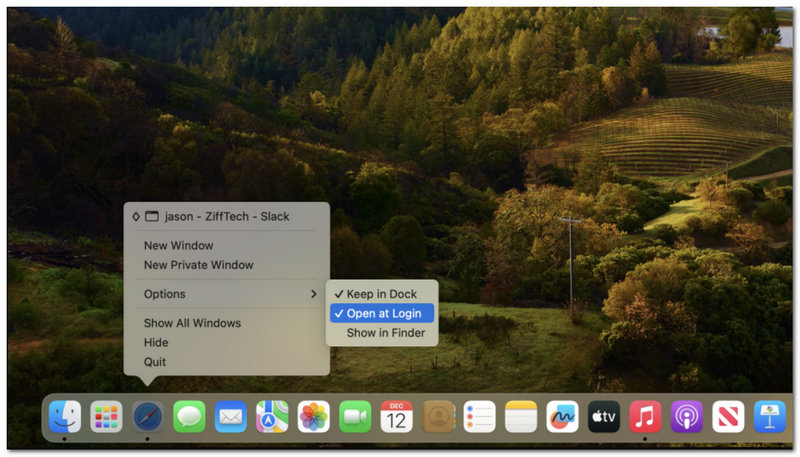
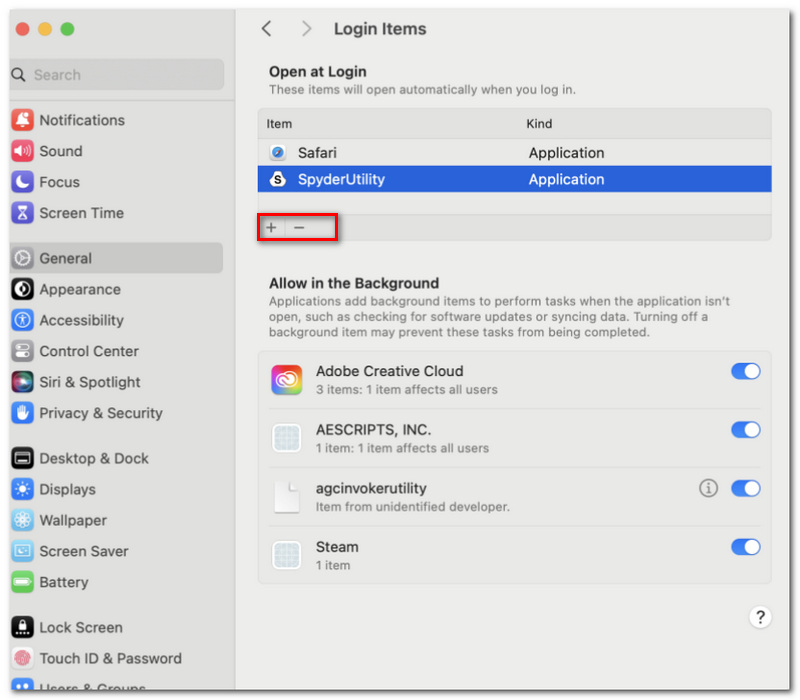
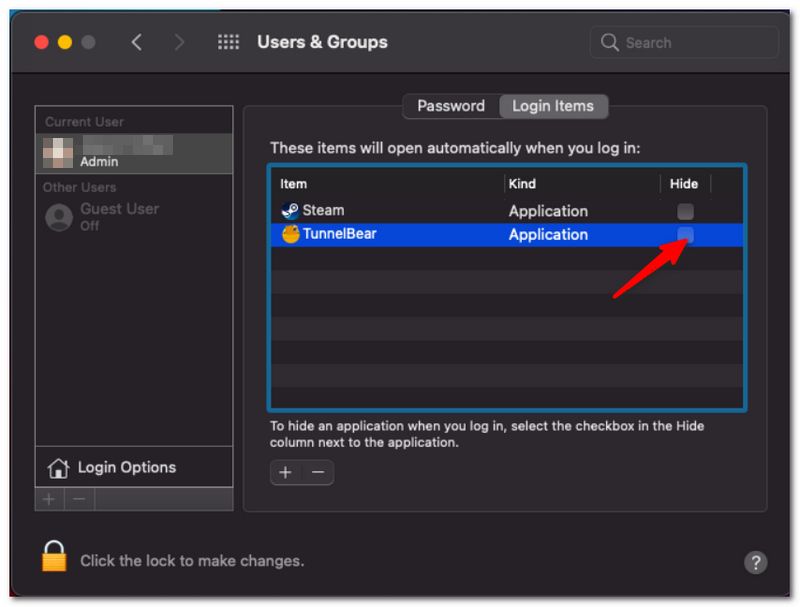
If you want to know how to speed up a Mac computer, this is a very simple change to try as a first step before you go on to more serious cleanup.
Best For: Users who suffer from slow performance due to having a lot of memory-hungry apps running or an overload of processes all at the same time.
On the other hand, having so many demanding apps open on your Mac at the same time, they will use so much of your Mac's memory. As a result, your Mac will run out of memory that will be left for your actual programs. Activity Monitor helps you determine which ones are using up the most memory and close the ones that you don't need. Apple also says that you should check the Memory Pressure graph to see how well or poorly RAM is managed by your Mac.
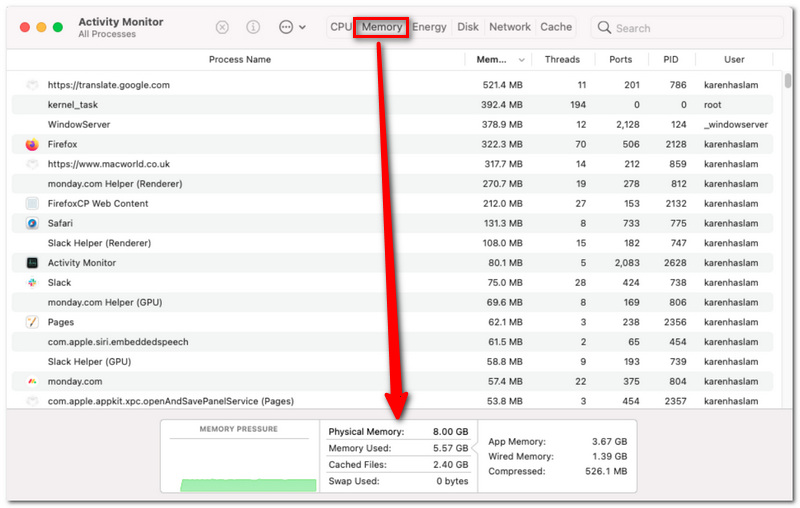
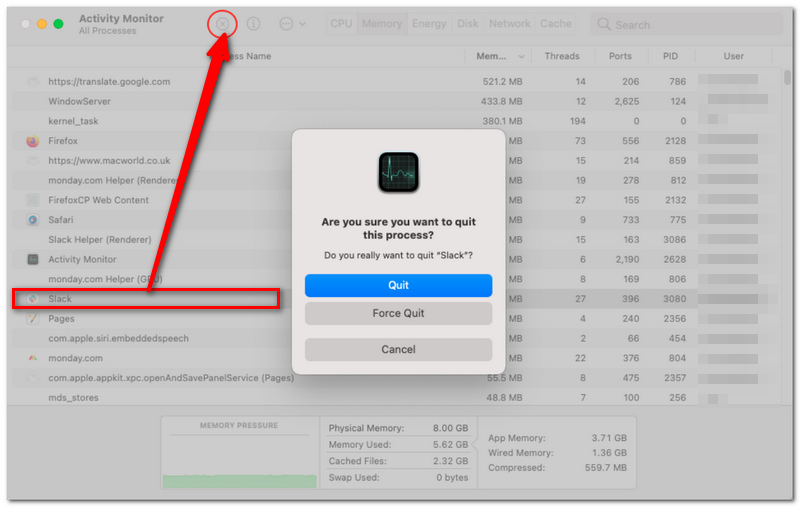
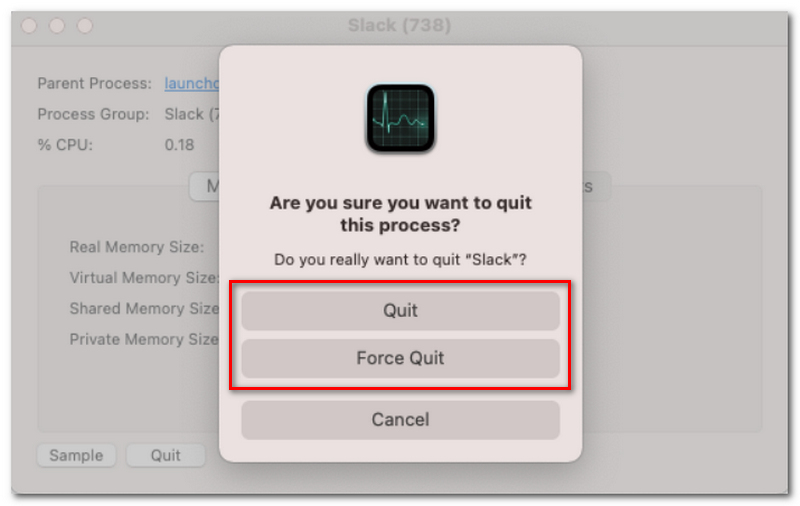
Important Note: Don't force-quit a system process you don't recognize. Some essential processes that ensure macOS is running smoothly get terminated and can mess with other apps/system functions if you force-quit them.
This guide is helpful mainly if you want to know how to speed up Mac performance, which is one of the most frequent questions when a computer runs slower, and memory-intensive programs have become one of the factors that have slowed down your Mac.
Best For: Macs experiencing slow performance, compatibility problems, or issues after installing newer apps.
A macOS version that is out of date can sometimes result in issues with performance or even application compatibility issues. Updating to the latest version of macOS can provide bug fixes, security enhancements, as well as stability improvements. Apple suggests that you keep your Mac up-to-date by running the most current version of the OS that is compatible with your hardware.
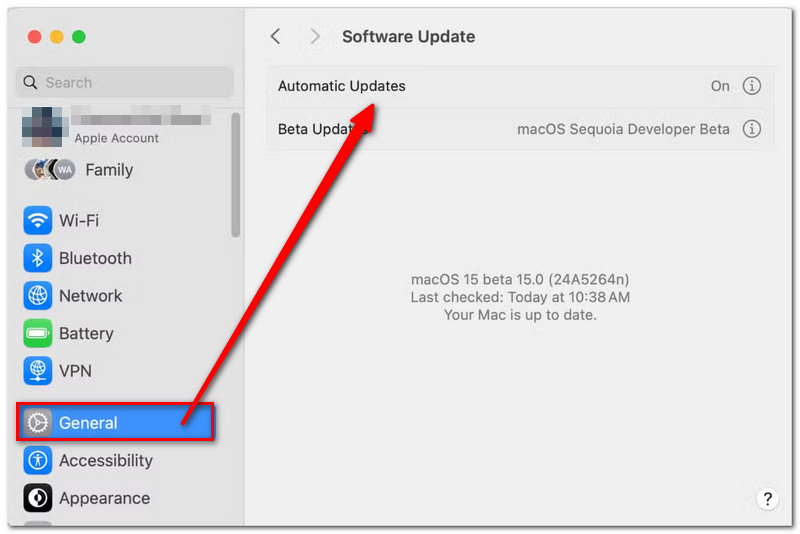
How do I make a slow Mac faster? Simply regularly update your system!
Best For: Those who have Macs that have gotten a pile of browser temporary data or those who were in a tight corner due to too little storage.
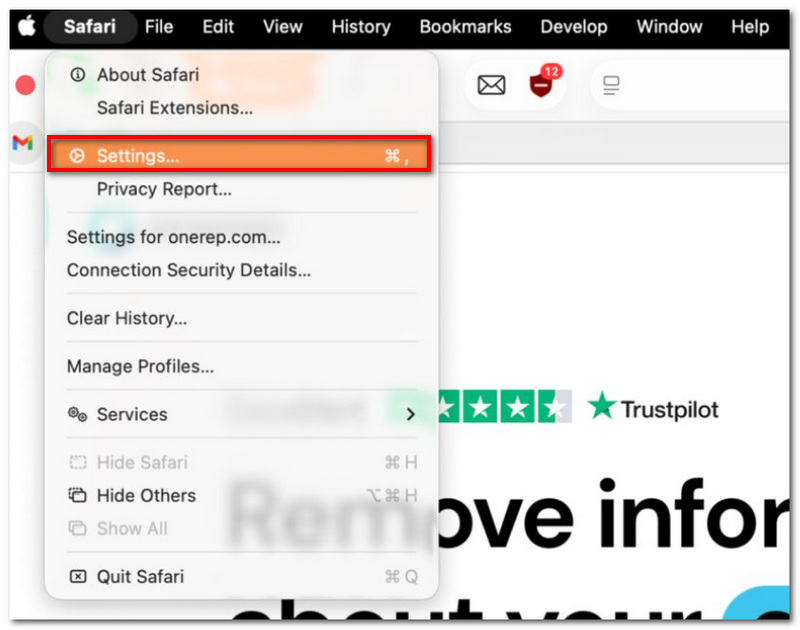
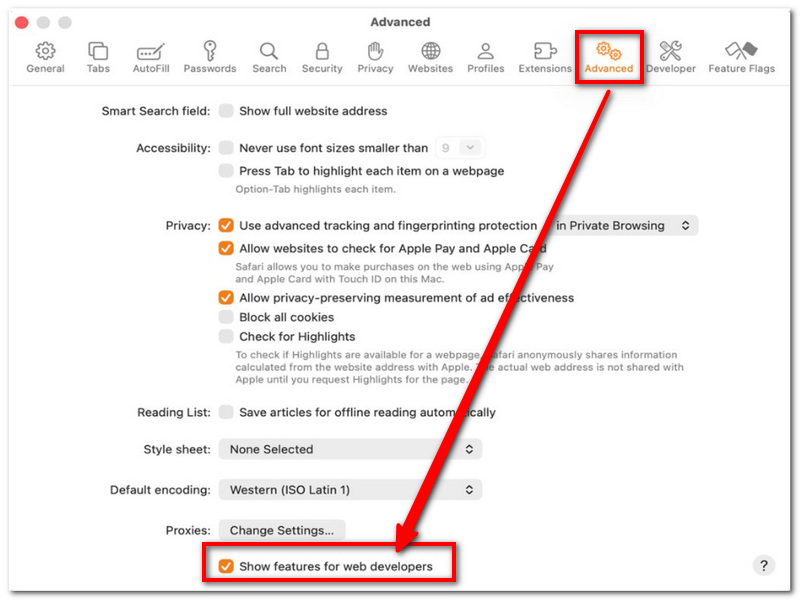
You'll probably have your browser cache and other temporary system files filled with garbage that can take up a lot of space on your Mac. It may be that getting rid of your Mac cache that is not needed will free up some space for you, whereas macOS has built-in features for managing most system caches and logs automatically.
Clear browser cache:
Review system storage
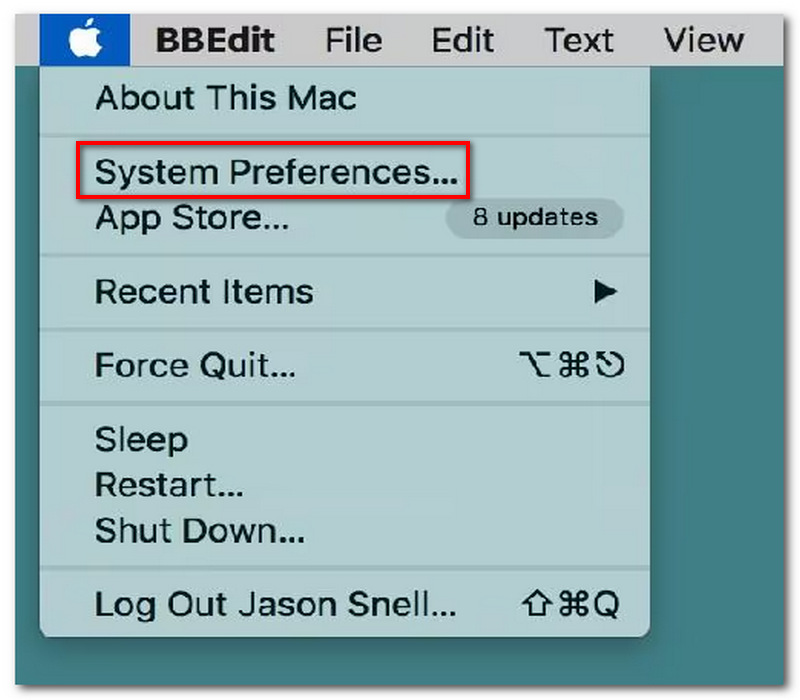
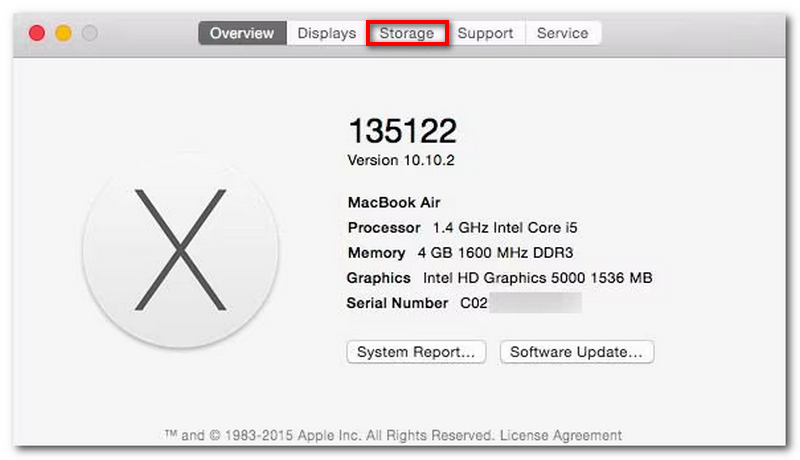
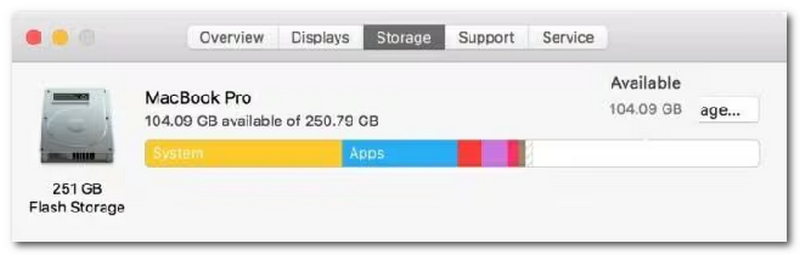
This would be an elementary cleanup measure, most of all if your storage has been loaded with data.
Best For: Older Macs or computers that have trouble with responsiveness, like when you click or switch windows, when you open a new app, or when you just navigate the system.
You can imagine how extra visual effects combined with a desktop full of file icons add extra work that your Mac has to do. A real problem if you are running an old or slow computer. You can make a real difference and increase speed by simply reducing animations, not only on the desktop. It won't solve all your issues, but it will definitely lead the way.
Reduce visual effects
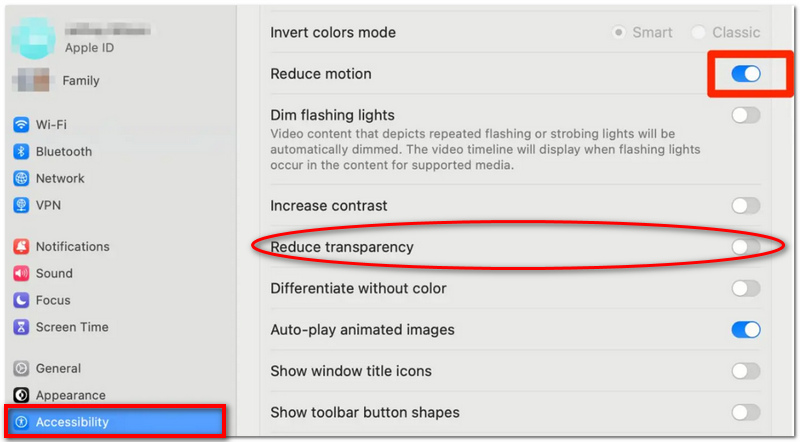
Reduce desktop clutter
Can I connect a portable drive to get more Mac storage?
Sure, transferring large files like videos, photos, or even your personal library to an external drive is a practical way of creating space for other files on your internal Mac drive.
Is constant uptime of Mac a good or bad habit?
Naturally, there is no need to switch off your computer each time you're done with it. Still, sometimes it is helpful to restart the system if you encounter problems that are quite strange and are hindering the operation of apps, because through a restart you can close all the running processes and start fresh.
Will a drive with bad sectors affect a Mac?
Of course, yes. If your hard disk is faulty, it may be the reason for your Mac's sluggishness or some strange behaviors. In fact, after you've done all the normal stuff and cleaned up the files, there is always Disk Utility, which you can employ to look for disk issues.
Conclusion
At times, a slow-performing Mac needn't necessarily involve replacing parts with upgraded ones. In fact, basic cleaning, turning off background activities, software updates, and optimizing storage management could really boost the performance of the machine. How to speed up my Mac? It’s quite simple; it’s better to check out solutions for those areas that tend to be slow.
 What to do If My Mac is Frozen [Complete Fixing Guide in]
What should I do when my Mac is frozen? How can I fix it? How to force quit on a Mac when frozen? Read and follow this tutorial, and you will find your answer.
 Retrieve Forgotten Administrator Name and Password on Mac [Easy]
Forgot Administrator name and password on Mac? Most Mac users encounter this problem, so we added five solutions you could use to solve it.
 Mac or MacBook Won’t Turn On? 12 Solutions to Fix It
If your Mac or MacBook won't turn on or it turns on but doesn't finish starting up, try these 12 detailed guides to get your Mac or MacBook running up again.
 Leave your comment and join our discussion
Free up Mac
Clean Up Useless Other Files Memory Cleaners for Mac Top 10 Alternatives to CCleaner Adwcleaner Fix Safari Running Slow on Mac Clean Up Useless Other Files Find and Remove Duplicate Files Mac Running Slow Change Default Browser on Mac
Mac Cleaner is a professional Mac management tool to remove junk files, clutter, large/old files, delete duplicate files and monitor your Mac performance.
100% Secure. No Ads.

*Required field
*Please enter a valid email