Aiseesoft iKnockin - iPhone Unlocker
 100% Secure. No Ads.
100% Secure. No Ads.
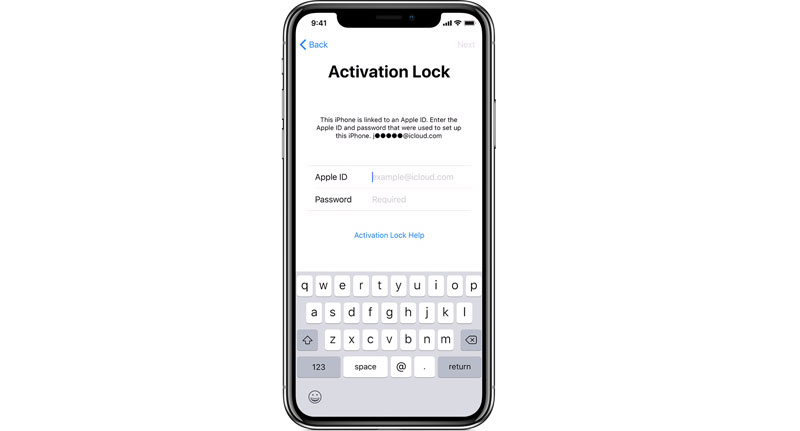
The iCloud Activation Lock is an important security feature that protects your iPhone or iPad if it is lost or stolen. However, users who purchase a second-hand device or forget their Apple ID credentials may see the Activation Lock screen and need help removing it properly.
So how can you bypass iCloud Activation Lock on an iPhone? This guide explains official methods and available solutions to remove the iCloud lock depending on your situation; the following steps will be of great help.

Quick Guide
Activation Lock is a feature that was created by Apple to stop any other person from accessing your iPhone, iPad, Mac, or Apple Watch should it be lost or stolen. The activation lock is enabled immediately after you activate Find My on your device.
How does it work?
Once the activation lock has been activated, your Apple ID and password will be needed in order to:
This activation lock is connected to Apple's activation servers. If someone were to restore the gadget to factory settings, it would still require the credentials of the original owner to activate it again.
Indeed, it is not easy to bypass Activation Lock, but there are still official and reliable solutions. You can take a glance at them from the table below first:
| Method | Success Rate | Difficulty | Compatibility | Cost | Best for |
| Apple ID & Password | Extremely High | Very Low | All iOS versions & all models | Free | Owners who remember Apple ID or are able to reset Apple ID |
| iCloud Remote Removal | Extremely High | Low | All iOS versions & all models | Free | Users who can login to iCloud remotely |
| Aiseesoft iKnockin | High | Low | All iOS versions & all models | Paid | Users who forgot and are unable to access Apple ID |
| Apple Support Request | Moderate | High | All iOS versions & all models | Free | Users with official proof of purchase (receipt/invoice) |
| DNS Method (Temporary Access Only) | Low | Low | Mostly older iOS versions | Free | Users who need temporary access to specific features |
The simplest way to remove iCloud activation lock is to enter the Apple ID and password directly on the device during the setup process. If you’ve forgotten your password, you can reset it at iforgot.apple.com.
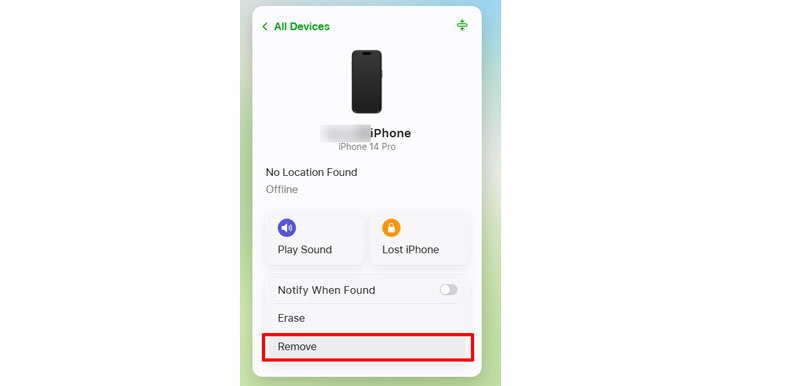
If you bought the device from someone else and they are not present, they can still delete iCloud activation lock remotely. Follow the steps below to learn how to bypass iPhone locked to owner at present.
Tip: If your Apple ID or password is not working, click here to solve it.
When users cannot access their Apple ID or encounter device lock issues, a professional unlocking tool may provide additional assistance in supported scenarios. While another quick way to let you not worry anymore is to remove the Apple ID from your iPhone. And Aiseesoft iKnockin - iPhone Unlocker can greatly help when you forget your iPhone passcode or Apple ID password. What's more, this software is designed with straightforward buttons and detailed built-in tutorials, helping users manage certain iPhone lock issues without requiring complicated steps. In addition, you can also use this iOS-26-compatible unlocking tool to bypass Screen Time and remove MDM.
100% Secure. No Ads.
100% Secure. No Ads.
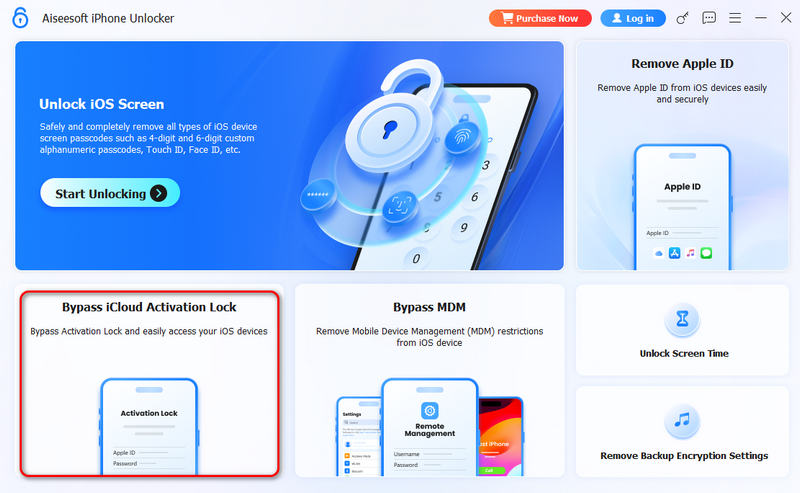
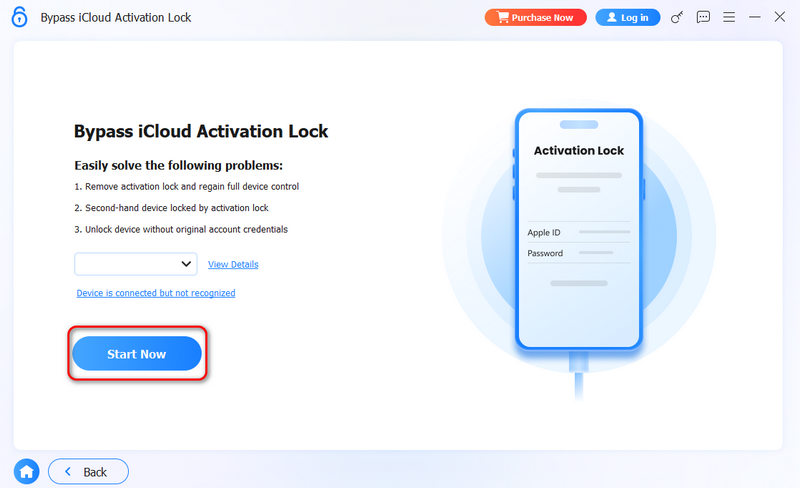
As you can see, Aiseesoft iKnockin - iPhone Unlocker is a powerful iCloud activation bypass tool. The whole process is very smooth and easy. Thus, many users choose this solution for iPhone Activation Lock bypass on all iPhones, including the latest iPhone 17 series.
If you are the rightful device owner, you can turn to official Apple Support for assistance by providing proof of ownership, such as a sales receipt or order record.
Some DNS-based iCloud Activation Lock bypass methods were widely shared online in the past. These methods attempted to redirect the activation process through alternative DNS servers and provide temporary access to limited device functions. However, DNS-based methods do not permanently remove Activation Lock. They cannot remove Apple ID from iPhone, and they may no longer work on newer iOS versions. If you still wanna try this, please refer to the steps below:
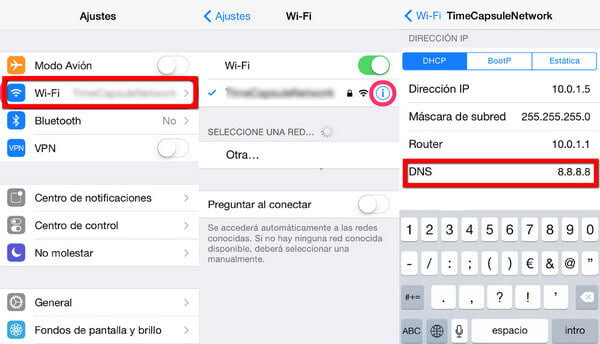
Once the iCloud activation bypass settings are done, you'll receive a message saying "You have successfully connected to my Server." Now that you have completed iCloud unlock, you can access most functions like iCloud locked user Chat, Mail, Maps, Video, Games, and more.
Note:
1. This method has been proven to be effective for iCloud Activation Lock bypass for old iOS versions.
2. Changing DNS allows you to bypass iCloud Activation Lock on iPhone quickly, but this is only a temporary solution. To bypass iCloud Activation permanently, you need to adopt the other solution.
Tip: Click here to read more about bypassing iPhone 11’s activation lock if interested.
Can I bypass the iCloud activation lock with jailbreak?
No. Jailbreaking does not remove the iCloud Activation Lock because the lock is connected to Apple's activation servers. Some unlocking processes may require jailbreak steps for specific device functions, but jailbreaking itself does not remove the original ownership verification.
Can you bypass the iCloud activation lock on iPad?
Yes, but the available method depends on whether you are the original owner, have Apple ID access, or can provide proof of purchase.
How do I activate my iCloud account on my iPhone?
You should open Settings on your iPhone first. Then tap your name you have signed in on your iPhone. After that, select iCloud and enable the feature you want to use.
What should I do if my iPhone says ‘iPhone Locked to Owner’?
The ‘iPhone Locked to Owner’ message means that Activation Lock is enabled on the device. If you own the device, sign in with the Apple ID linked to it. If you bought it second-hand, ask the previous owner to remove the device from their Apple Account before setting it up.
Does DNS bypass permanently remove Activation Lock?
No. DNS-based methods cannot permanently remove Activation Lock. They were temporary workarounds shared for some older iOS versions and do not remove the Apple ID linked to the device.
Conclusion
The best way to remove iCloud activation lock is always through official Apple methods. If you forget your Apple ID, Aiseesoft iKnockin - iPhone Unlocker is your best choice for iCloud Activation Lock Removal. Try it now!
100% Secure. No Ads.
100% Secure. No Ads.
 5 Easy Methods to Unlock an iPhone without Passcode/Face ID/ Touch ID
You recently changed your passcode on your iPhone, and you forgot it already. You can still access it with these solutions on how to get into a locked iPhone.
 How to Reset iPhone with Activation Lock With or Without Apple ID
Learn how to reset iPhone with Activation Lock using Apple ID, iCloud, iTunes, or without Apple ID. Step-by-step guide with unlocker tool included.
 How to Bypass Screen Time Passcode with 4 Effective Ways [2025 Guide]
How do you hack screen time without the passcode? You can read this guide to bypass screen time passcode with or without Apple ID.
 Leave your comment and join our discussion
iOS Activation Lock
Bypass iOS Activation Lock
Unlock iOS Screen
iCloud Tips
To fix iPhone screen locked, wiping password function can help you a lot. And you also can clear Apple ID or Screen Time password easily.
100% Secure. No Ads.
100% Secure. No Ads.

*Required field
*Please enter a valid email