99.8% Success Rate: Windows/Mac Data Recovery
 100% Secure. No Ads.
100% Secure. No Ads.
It's very common to lose some valuable songs and audio files on your computer or iPhone/iPad/iPod or Android device. Do you know how to recover deleted music files? This post will introduce you with the best music recovery to retrieve deleted/lost audio files.

"Hey, guys. I was running out of space on my SD card and my phone suggested deleting some files. I deleted some large files including some movies and songs. While then I noticed that I mistakenly erased some of my favorite music. I can't find them on my computer and other places. Is there any way to recover music from SD card? Or is there any music recovery app can restore songs on my Android phone?"
"Can I recover deleted music files from my computer? I can't find them on Recycle Bin. They are stored on the C hard drive and lost after a system crash. Any help?"

Sometimes, losing some music files are not a big deal. You can easily re-download them back from the internet or music apps. While when you are searching for the solutions to recover deleted music, that means you have no choice but to do the music recovery way.
How to recover deleted music files?
Actually, whether you want to restore deleted songs from computer, iPod, iPhone, iPad, Android device or SD card and external hard drive, it is not that easy. The good thing is, there are still ways to help you. And in this post, we will show you how to rescue your lost MP3 songs on computer and portable devices.
When a song is "deleted," the operating system doesn't instantly shred the binary data. Instead, it marks the clusters as "Available" for new information. As long as those clusters haven't been reused, professional Music Recovery software can reconstruct the file headers and restore your tracks to their original quality.
⚠ CRITICAL RULE: Therefore, when you find your music lost, the first thing you should do is stop using the device immediately. Do not download new apps, take photos, or stream music. New data can overwrite the space where your deleted music "ghosts" still reside, making recovery impossible.
If you simply hit "Delete," your music is likely sitting in the Recycle Bin. This is the fastest way to undo an accidental deletion.
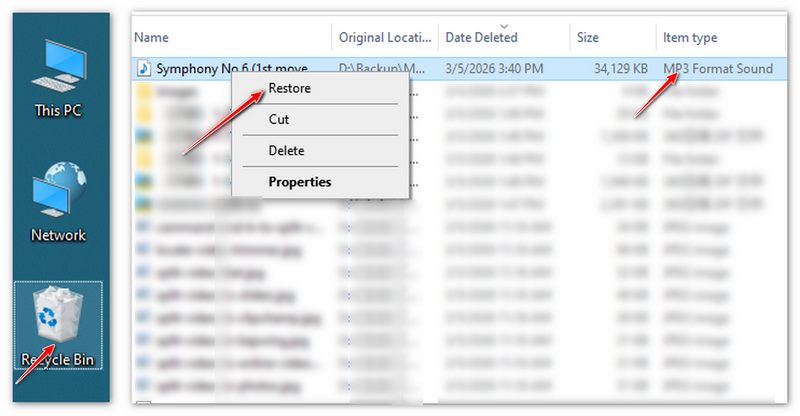
The file will return to its original folder. If you don't remember where it was, right-click the file and select Properties to see the "Original Location."
First part, we will show you the method to recover lost music on your computer. To do that, you need to rely on a professional music recovery software, Aiseesoft Data Recovery. It has the capability to restore any audio file on computer, hard drive, SD card, micro SD card for Android, and more.
It can handle various music files missing situations like mistakenly deletion, formatted partition, hard drive problem, RAW hard drive, crashed computer and so on. Besides the music recovery, it can also help you retrieve deleted/lost pictures, emails, documents, videos, etc. Just free download music recovery software to find your deleted songs back.
Double click the download button above to free download and install this music files recovering software on your computer. If you want to recover music from external hard drive or USB flash drive, SD card and other devices, make sure you connect it with computer successfully.
When you enter the main interface of this music recovery, you can see many drive locations. If you want to recover your deleted music files, you should choose which hard drive you want to recover data from.
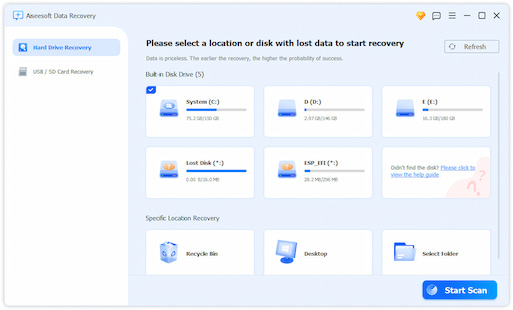
Click Start Scan button to scan deleted/lost songs from your selected hard disk.
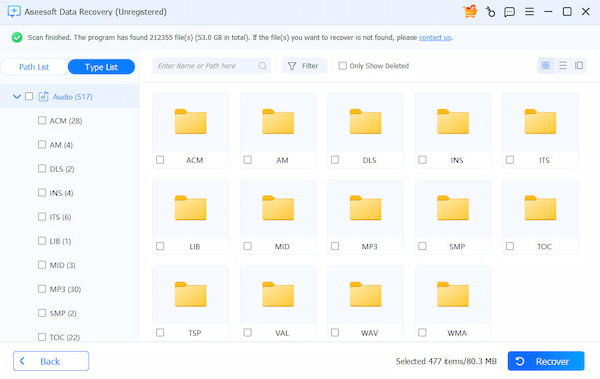
After scanning, you can start to select the music files you want to recover. To quickly locate these songs, you can use the Filter feature. It provides you a convenient way to find the specific songs. When you tick all music you want to restore, click Recover button to start the music recovery process.
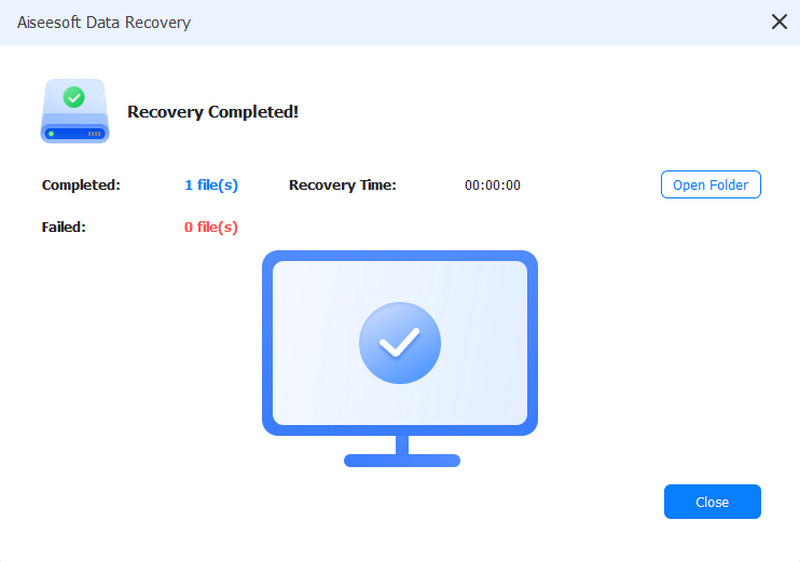
Just a few minutes later, all the deleted/lost songs will be restored to your computer. If you can't find your missing songs after scanning, remember to use the Deep Scan function.
Similar data recovery software to Aiseesoft Data Recovery are Wondershare Data Recovery, EaseUS Data Recovery, Disk Drill, etc.
If you have previously enabled Windows backup features, you can retrieve permanently deleted MP3 or WAV files without using third-party software. You can learn how to use Windows File Recovery on Windows 11/10 to get your lost songs back.
This method only works if File History was turned on prior to the data loss. If not, refer back to the Recovery Software section.
On macOS, deleted files are moved to the Trash before being permanently erased. This is the first place you should check for missing MP3, M4A, or AIFF tracks.
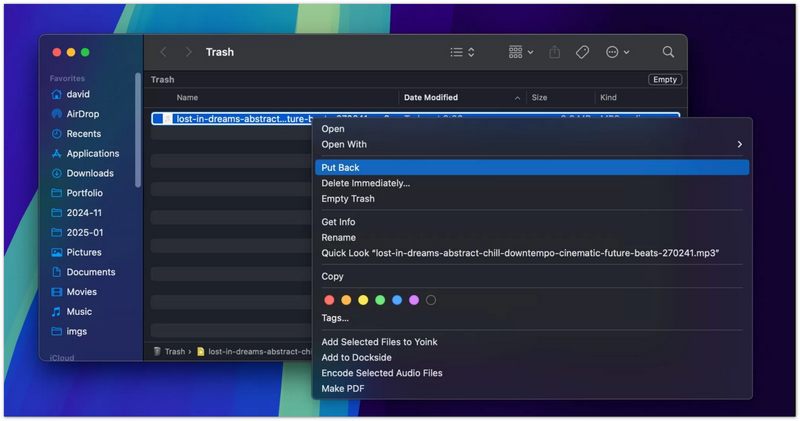
Note: If you use iCloud Drive to sync your Desktop and Documents folders, you can try to recover music file from iCloud.com if the Trash is empty.
If your Trash is empty, your music isn't necessarily gone—it's just no longer visible to macOS. To recover these tracks, you need a professional tool like Aiseesoft Data Recovery.While many users know it for Windows, it is fully optimized for Mac, offering native support for APFS, HFS+, and even encrypted drives. See exactly how to use this tool to rescue your music:
100% Secure. No Ads.
100% Secure. No Ads.
If your songs weren't found in the Trash, Time Machine is your another safety net - provided you had it enabled before the files vanished.
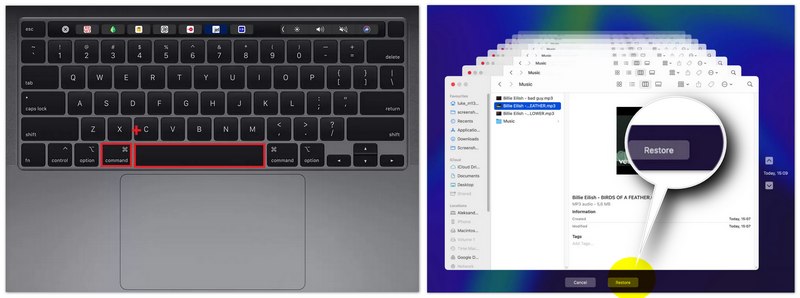
Note: Time Machine primarily backs up your internal drive. For music lost on an external HDD or SD card, you may need to rely on the Professional Recovery Software mentioned above.
100% Secure. No Ads.
100% Secure. No Ads.
When you delete an audio file from your iPhone, iOS doesn't wipe the data immediately. It holds the file in a 30-day holding zone within the Files app, giving you a window to reverse the action.
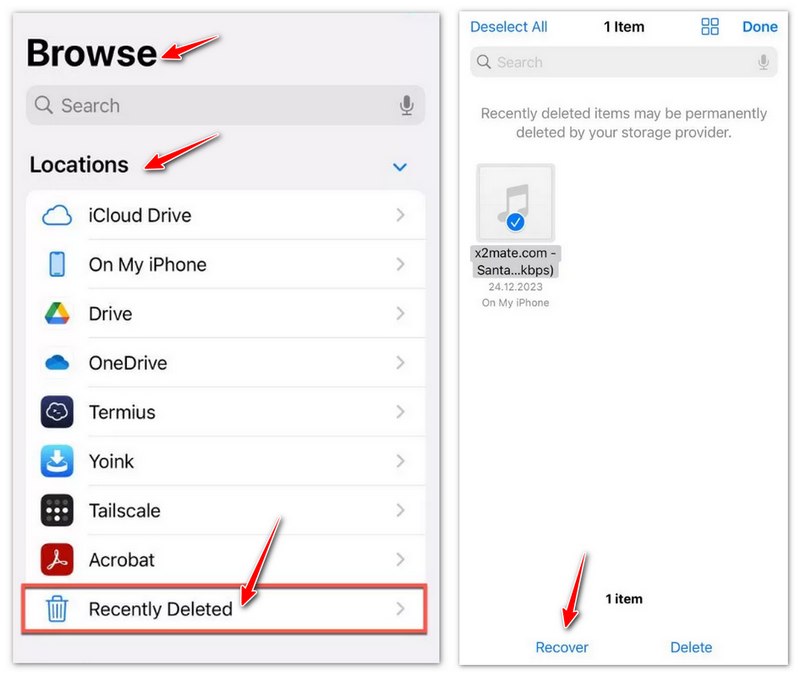
If the file isn't here, it might have been an Apple Music download. In that case, simply go to your Library and tap the Cloud icon to redownload it for free.
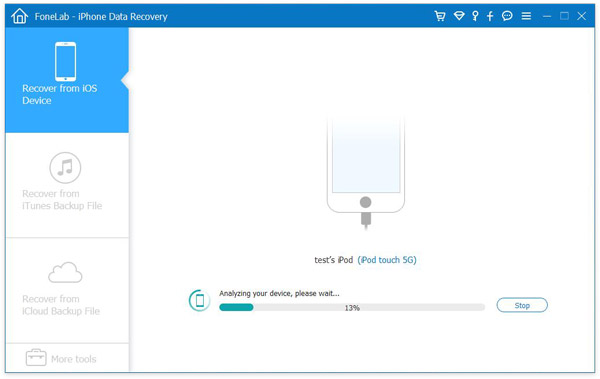
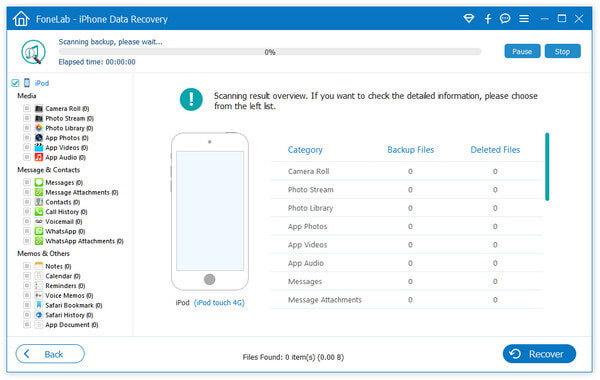
If you accidently delete some important audio files on your iPod or iPhone and have no backup to get them back, you can follow the next steps to get them back. Here we sincerely recommend the powerful iOS Data Recovery to help you restore deleted/lost music files from iOS device and iTunes/iCloud backup. Just free download it and have a try.
100% Secure. No Ads.
100% Secure. No Ads.
Most Android brands (Samsung, Pixel, Xiaomi) now include a temporary storage zone within their native file apps. If you deleted your music recently, it’s likely waiting in this 30-day buffer.
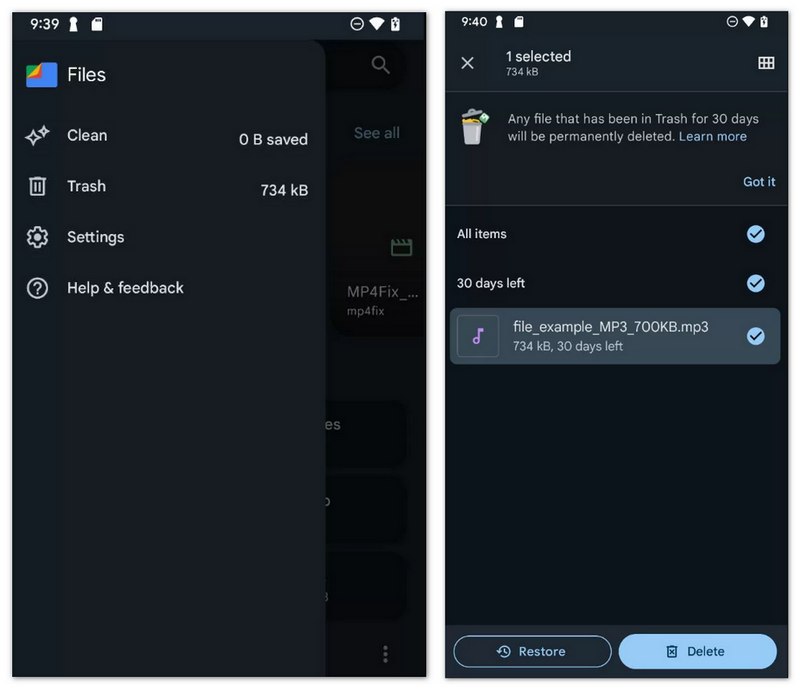
Quick Check: If the files aren't in the Trash, they may have been deleted by a third-party cleaner app. In that case, move to the next step for a deeper device scan.
If you are an Android user and want to recover deleted music files from Android, you should pay more attention to this part. You can use the first method if the deleted songs are saved on the micro SD card. To directly restore data from Android phone, you need to rely on the Android Data Recovery.
100% Secure. No Ads.
100% Secure. No Ads.
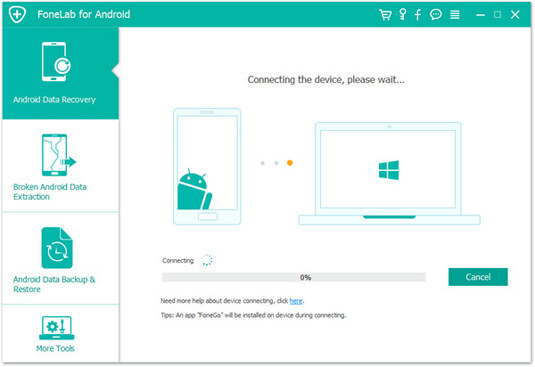
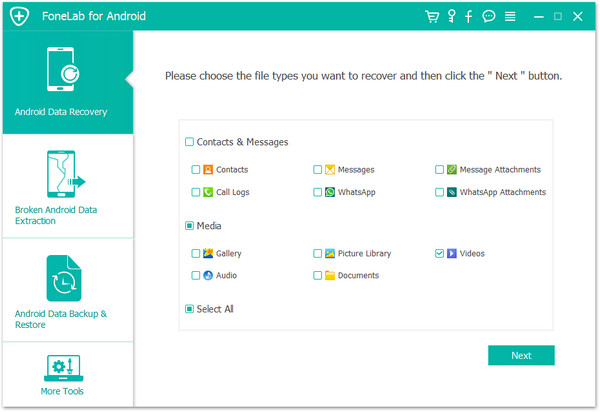
During this step, your Android will be rooted automatically. If you fail to root your Android phone, you have to use "Advanced Root" to root your Android phone successfully.
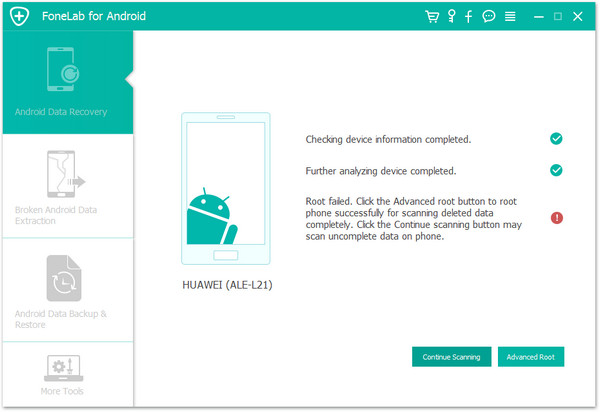
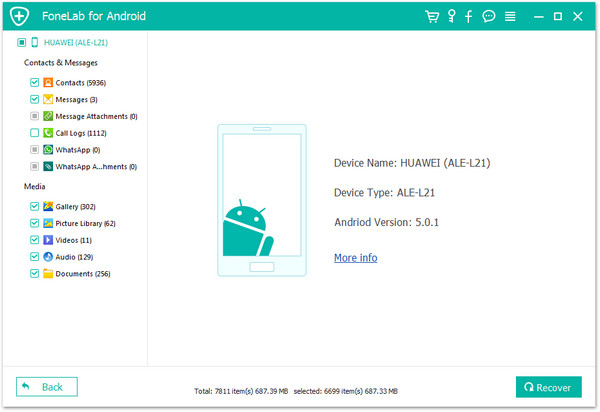
We mainly talk about music recovery in this post. Three tools are recommended to help you recover deleted music files from computer, iOS and Android device. If you still have any question, you can leave us a message.
Will the recovered music lose its original audio quality?
No. Data recovery is a bit-for-bit process. If a FLAC or 320kbps MP3 is successfully recovered, it will retain its original bitrate and fidelity. Quality only drops if the file was partially overwritten, leading to ‘glitches’ or digital noise.
Why is my audio file damaged after recovery?
Recovered audio files may become damaged if the original data was partially overwritten before recovery. When new files are saved to the same storage device, parts of the deleted audio file can be replaced, making the recovered file incomplete or unplayable.
Why is the recovered audio file size correct but the sound is distorted?
This usually happens when parts of the audio data were overwritten. Even if the file size appears normal, the missing or corrupted data may cause noise, distortion, or silence during playback.
Conclusion
Recovering lost music is all about acting fast before the data is overwritten. Whether you are using built-in tools like the Recycle Bin and Trash, or restoring from an iPhone or Android "Recently Deleted" folder, most deleted songs are recoverable if you catch them in time.
If your files are permanently gone or you lack a backup, Aiseesoft Data Recovery offers a powerful solution to deep-scan your device and retrieve professional-grade audio formats like MP3, WAV, and FLAC. It works seamlessly across Windows, Mac, and mobile storage to ensure your library stays intact. If you have any specific questions or run into a unique error, feel free to leave us a message, we are here to help you get your sound back.
 Adobe Flash Player Alternatives for Windows Mac Android iOS Users
How to update Adobe Flash Player? What are the replacements of Adobe Flash Player? Here you can find all the solutions.
 How to Use Adobe Premiere Slow Motion
Want to use Adobe Premiere slow motion? Learn how to create slow motion in Adobe Premiere from this post.
 Q&A about Auto Backup (Samsung Auto Backup Included)
What is Samsung auto backup? How to delete auto backup pictures? This article provides all Q&A about auto backup.
 Leave
your comment and join our discussion
Leave
your comment and join our discussionRecover Various Data
1. Free Data Recovery Software
2. Recover Deleted Files in Windows
3. Recover Deleted Files from Recycle Bin Windows
4. Recover Permanently Deleted Emails
Aiseesoft Data Recovery is the best data recovery software to recover deleted/lost photos, documents, emails, audio, videos, etc. from your PC/Mac.
100% Secure. No Ads.
100% Secure. No Ads.

*Required field
*Please enter a valid email