Why is the sound not working on iPhone?
It can be frustrating when your iPhone rings but makes no sound. Or a video plays silently, even at full volume. Sometimes, calls, texts, social apps, and alarms refuse to sound. What should you do if iPhone sound is not working?
According to Apple’s own support forums, related audio failures rank among the top five most-reported iPhone issues. This guide explains how to quickly diagnose whether the issue is software or hardware and shares 7 helpful methods to fix it.
Before you start troubleshooting, you’d better make a quick diagnosis to figure out whether you are dealing with a software glitch or an actual hardware failure. This section explains how to test your iPhone’s audio output in three scenarios.
- Test with the built-in speaker: You can play a song or a video through your iPhone’s speakers. Listen carefully and confirm whether you hear no sound or only distorted audio from the speakers or during calls.
- Test with headphones: Use a pair of wired headphones to play sound. If the audio works well through headphones but not through the built-in speakers, the iPhone sound issue is likely hardware-related.
- Test with Voice Memos: Open the Voice Memos app and make a short voice recording. Play it and check whether you can hear audio through your phone’s speaker. If you can’t hear anything, you may face a complete speaker failure.
Whether you encounter the iPhone sound not working issue while answering a call, watching a video, or playing some music, follow the 7 proven tips below to fix it. In most cases, you can fix the issue without a trip to the Apple Store.
When your iPhone has no sound, first check whether it is in Silent Mode. (Tip: If your iPhone is stuck in Silent Mode, you can click here to fix it.)
If you use a relatively older iPhone with a Ring/Silent switch, make sure the switch is pushed toward the screen. Try moving the button and make sure you’re in Ringer mode.
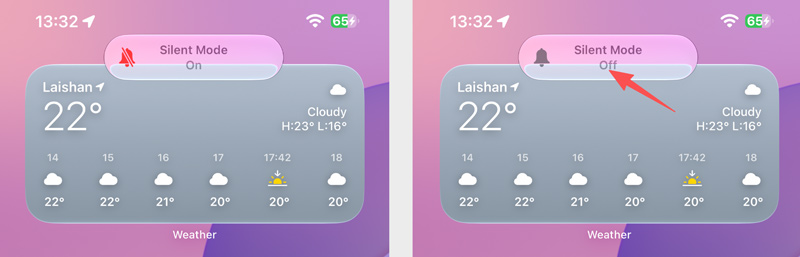
On a newer iPhone model with an Action button instead of a switch, you can display Control Center to confirm Silent Mode isn’t active.
Besides, you should press the Volume Up button a few times to make sure you are not at a low volume level. You can see a volume indicator appear on screen. If your iPhone screen shows a headphones icon instead of a speaker icon, the device thinks headphones are connected, even when they are not.
Do Not Disturb and other Focus modes are designed to silence calls, notifications, and alerts when you need quiet time. But they can also be the reason your iPhone sound is not working or seems completely mute. You may have enabled it accidentally, or it may be set to activate automatically. Once you enable a Focus mode, your iPhone won’t make sounds for incoming calls or notifications.
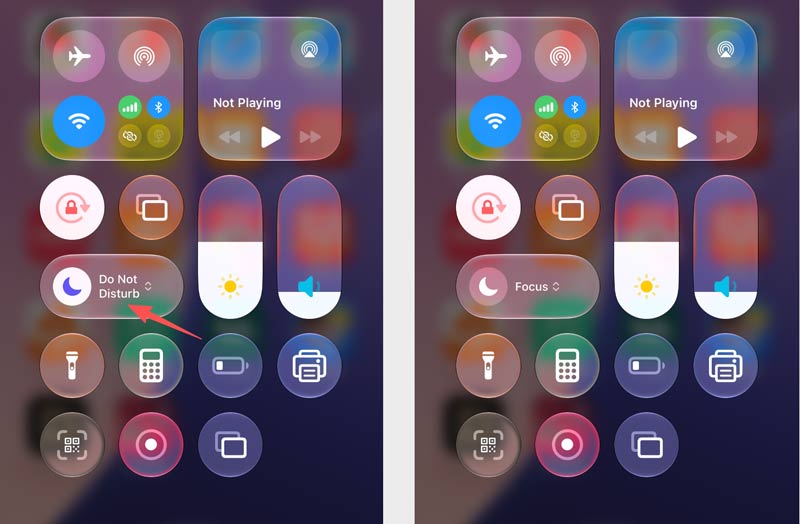
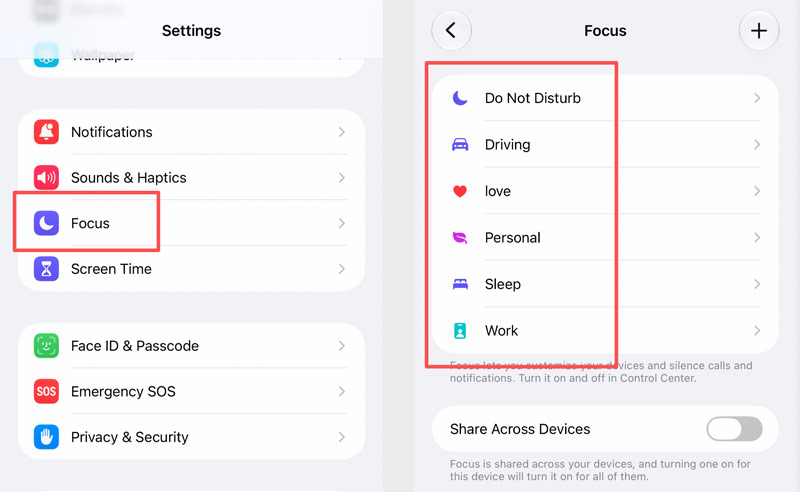
You can also tap Settings > Focus > Do Not Disturb and make sure the toggle is switched off. If you use other Focus modes like Personal, Work, Sleep, or Driving, check those too. They can all silence audio in different ways you set.
You May Also Need:
If the sound not working problem is mainly related to your iPhone speakers, try cleaning it with a soft brush or cloth. Over time, the charging port can also accumulate gunk that interferes with audio accessories. You should clean it too.
If your iPhone is connected to a Bluetooth device you forgot about, its audio will route to that device, such as AirPods or a Bluetooth speaker.
Open Settings > Bluetooth to list all the connected devices. You can disconnect each paired device individually or simply turn Bluetooth off.
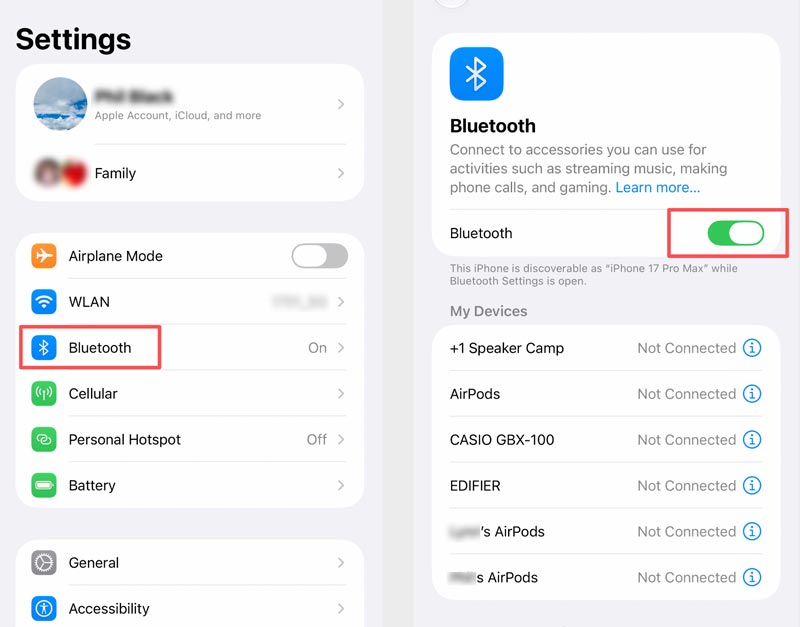
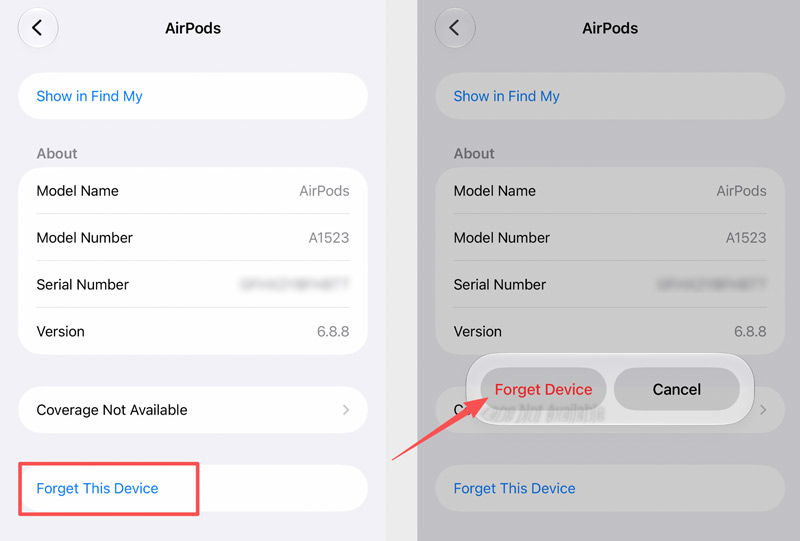
Try playing audio through your iPhone’s speakers again. If the sound returns, the audio issue is caused by a connected Bluetooth device. For a device you no longer use, tap the “i” next to it and choose Forget This Device. This prevents it from reconnecting automatically.
If you have tried everything above and still have no sound, it might be a deeper software configuration issue. Resetting all settings can clear out corrupted audio preferences, Bluetooth pairing records, and other system-level configurations that might be interfering with sound output. Before you do that, restart your iPhone first. If the problem still exists, reset all settings then.
Go to Settings > General > Transfer or Reset iPhone > Reset > Reset All Settings.
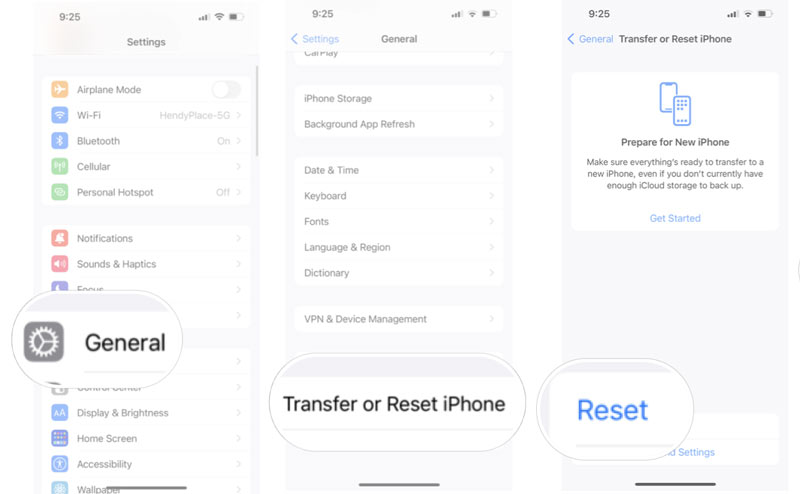
You are asked to enter your device passcode to confirm. This operation won’t delete your personal data like photos, apps, messages, or other data. It will remove related system settings, such as audio preferences, Bluetooth connections, and Wi-Fi passwords. After the reset, your iPhone will restart, and you can test the audio again.
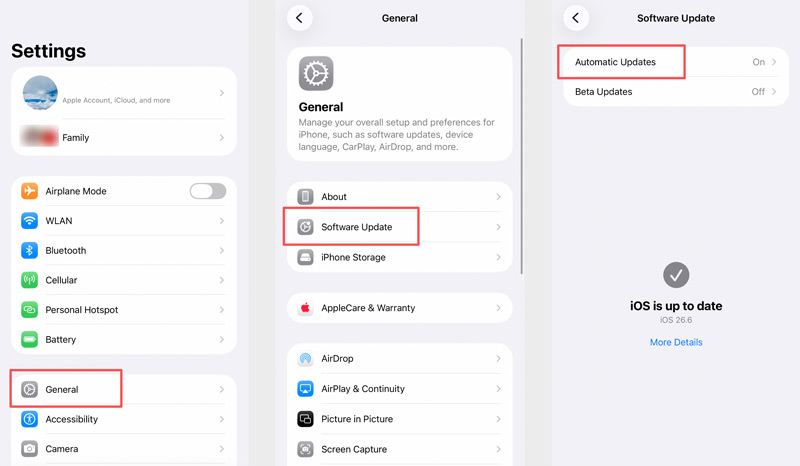
Various system issues and app bugs can be easily fixed through iOS updates. If there is a new software update, install it on your iPhone. This may fix audio-related glitches.
Go to Settings > General > Software Update. Check for any available update and install it.
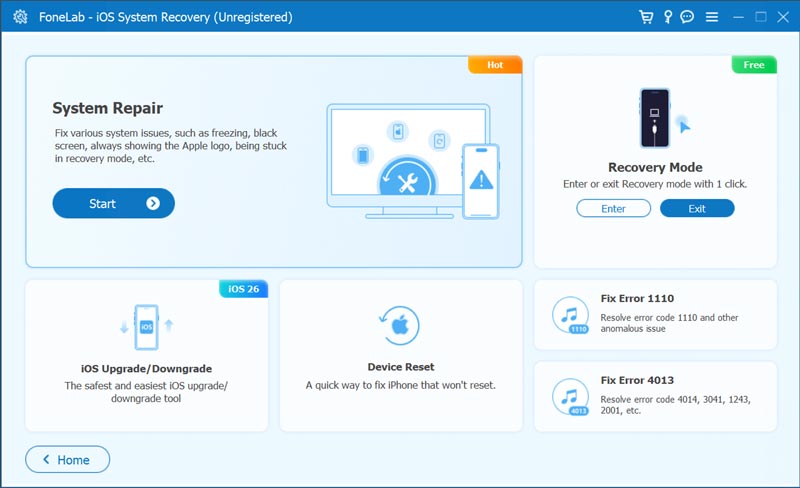
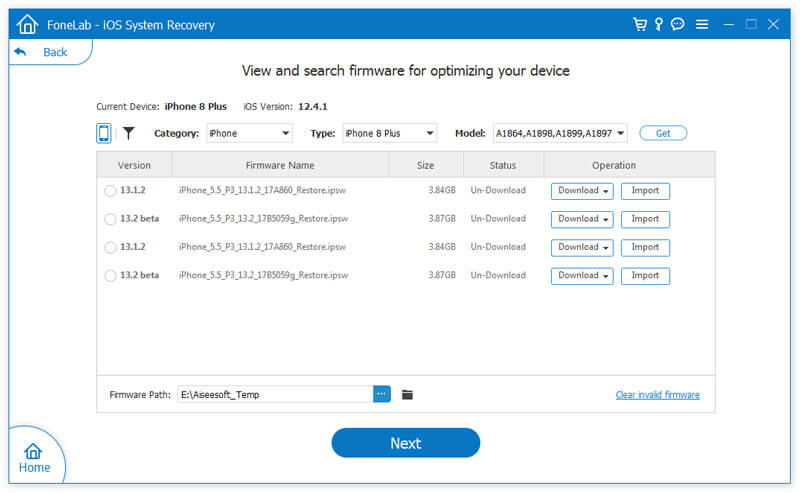
If the steps above don’t resolve the iPhone sound not working problem, the issue may run deeper than settings and updates. In some cases, corrupted iOS system files cause audio failures. You should turn to a dedicated repair tool like Aiseesoft iOS System Recovery.
 100% Secure. No Ads.
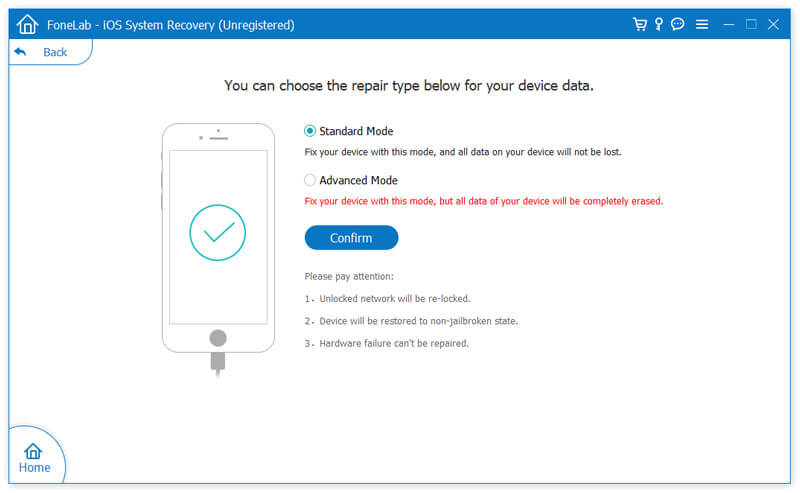
This software is specially designed to handle a wide range of system issues, including audio glitches, headphone mode stuck errors, and others that may affect your iPhone sound output. It repairs the underlying system files without erasing your iPhone data (Standard Mode). This is a big advantage compared to a full factory reset. Moreover, it has an Advanced Mode for more severe system corruption.
If the sound not working on iPhone problem is due to physical damage, or if you’ve tried every software fix and your iPhone still won’t make sound, consider the hardware.
The key difference between hardware and software issues often comes down to consistency. Software problems are often intermittent. The iPhone sound works sometimes, then doesn’t, or certain apps have audio while others don’t. Hardware damage is usually more consistent and predictable.
- Your iPhone has been dropped, exposed to water, or physically damaged in other ways.
- iPhone sound is distorted or muffled even at low volumes.
- Sound works through headphones or Bluetooth devices but doesn’t work via the built-in speaker.
- You have cleaned the iPhone speaker grille thoroughly, and there is still no sound.
- The speaker icon in Settings > Sounds & Haptics is greyed out. Apple notes that this indicates you may need a speaker repair.
If your iPhone is physically damaged or you cannot fix audio failures yourself, it’s likely time to look into repair options.
Apple offers several ways to repair your iPhone. You can book a repair appointment at a nearby Apple Store, mail your device in for service, or visit an Apple Authorized Service Provider.
Before you go, run Apple’s built-in audio diagnostics if you can. Or make other checks to confirm that the issue isn’t something simple you missed.
In some cases, Apple has even introduced service programs for known speaker issues. For example, the iPhone 12 and iPhone 12 Pro had a documented no-sound issue that Apple acknowledged and offered to fix through a dedicated service program. If your iPhone model has a similar known issue, you might be eligible for a free or discounted repair.
If you are outside warranty and don’t want to pay Apple’s repair prices, there are many third-party repair shops that can replace iPhone speakers. Just be aware that using non-authorized repair services may affect future trade-in values.
Question 1. Why does my iPhone have no sound all of a sudden?
The most common cause is the accidental Silent Mode or Focus Mode activation. Also, if a nearby Bluetooth device connects automatically, your iPhone audio will route through it. Check those first before taking more serious steps.
Question 2. Can a software update fix iPhone sound not working issues?
Yes. As you can learn from above, Apple frequently releases iOS updates that fix various issues, including audio bugs. If your iPhone sound stopped working after an update, installing the latest version could resolve the problem.
Question 3. Is it worth repairing iPhone speakers?
It depends on your iPhone model and how much you use the built-in speaker. Generally, a speaker repair is worth it for newer iPhones, such as the iPhone 14 series or later. For older models, compare the repair cost with the price of a replacement device. Also, decide whether to repair it based on your specific situation. If you don’t need output sound and always use AirPods, a repair is unnecessary.
Conclusion
iPhone sound not working problems are annoying, but they are usually solvable at home. In most cases, you can fix it by flipping a switch, turning off Focus mode, disconnecting a Bluetooth device, or restarting your device. When those don’t work, try resetting all settings on your iPhone, updating iOS, or using a system repair tool like Aiseesoft, which can often resolve audio failures. If you have tried everything and the problem persists, take it to a local Apple Store or a qualified repair technician.
 iPhone Charging Slowly: Tips to Solve Device Charging Issues
Your iPhone is not charging; what can be done to fix it? Before you let professionals look at the device, here are a few solutions you should try first.
 5 Tips to Troubleshoot iPhone Force Restart Not Working
Why is my iPhone 15 force restart not working? How can I force restart my iPhone 14 when frozen? Get 5 helpful tips to fix iPhone force restart not working.
 How to Fix Mac Sound Not Working? Get Full Tips and Solutions Here
If something wrong about internal/external speakers, your MacBook Pro/Air may stop work. Here, we will offer full tips to fix Mac sound not working issue.
 Leave your comment and join our discussion
Fix your iOS system to normal in various issues like being stuck in DFU mode, recovery mode, headphone mode, Apple logo, etc. to normal without any data loss.
100% Secure. No Ads.
100% Secure. No Ads.

*Required field
*Please enter a valid email