Aiseesoft Screen Recorder
 100% Secure. No Ads.
100% Secure. No Ads.
Webinars, virtual classes, and online conferences on platforms like Zoom, Microsoft Teams, and Webex have become essential for professional growth and learning. However, unlike standard video chats, webinars are rarely available for later viewing once the live stream ends.
If you are a Mac user, you might wonder: Can I use QuickTime to record a webinar? Will it capture the presenter’s voice, or just my microphone?
Recording a webinar on macOS comes with a unique challenge—the Mac operating system blocks native tools from capturing system audio (the speaker's voice) out of the box. In this updated 2026 guide, we will show you 4 proven methods to record a webinar on Mac with full high-quality audio and video.
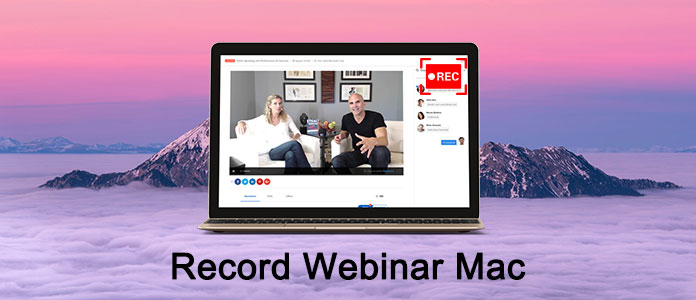
Webinar is a kind of live web-based video conference which provides a one-way only communication. Users can connect the individual hosting the webinar to an audience. In a webinar, only one person (the host) is expressing ideas and others attend.

Webinar offers a convenient way to tell stories, reach more people and grow business. As a host of webinar, you are allowed to invite guests (viewers and listeners) from all over the world, share your thoughts, show your slideshows or demonstrations, and do other communications. If you are an audience, you can ask questions and chat with host.
Now Webinar has become a great way to learn something new and to ask experts for advice in real-time. You can easily get lots of important information from webinars with various topics.
But one thing you may notice that, Webinar is no longer available for later viewing as soon as the webinar is over. That's why many people on the internet are looking for the method to record webinar.
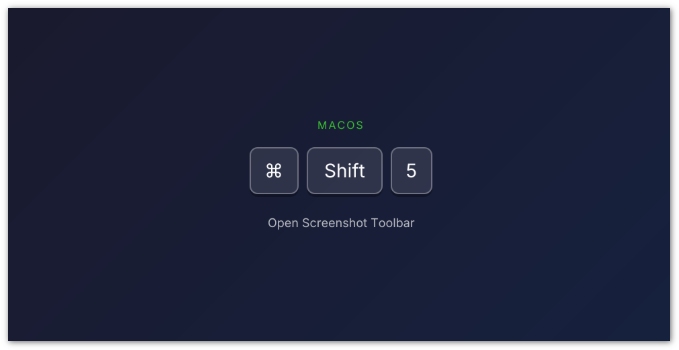
The quickest way to record a webinar on modern Mac computers running recent macOS versions is by using the system's native screenshot and screen recording application.
By default, Apple blocks native tools from recording internal system audio (the presenter's voice). To capture what the host is saying, you must install a free third-party virtual audio routing tool (such as BlackHole or Loopback) and select it as your audio output before starting.
Step-by-Step Guide:
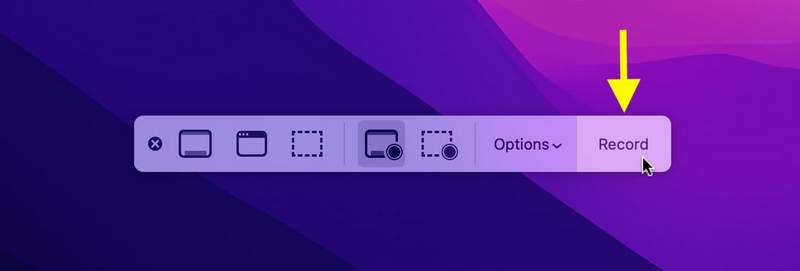
If you are a Mac user and have the need to capture a webinar content, QuickTime Player will definitely be the first thought in your mind to get the video recording job done. Now you can take the following guide to record a webinar on Mac.
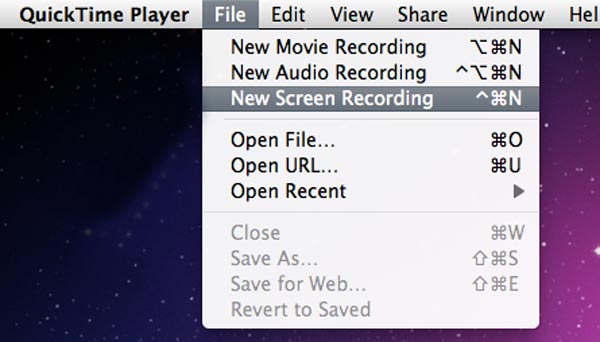
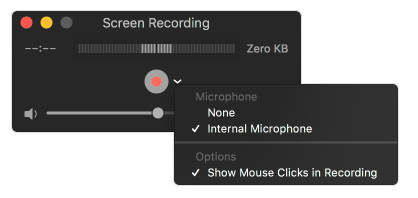
If the audio track is all you need, you can only record Webinar audio with the QuickTime Player. One thing you should know first, the captured Webinar can only be saved in MOV format. (Find other screen recorder for Mac here)
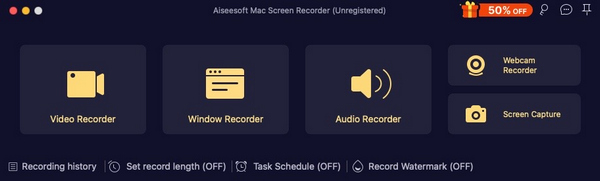
In order to give you a better webinar recording experience and high-quality output file, here we recommend the other Webinar recorder to help you capture Webinar screen on your Mac. Compared with QuickTime Player, the recommended Webinar Screen Recorder offers more functions for the Webinar recording. More importantly, the captured webinar can be saved in any popular video format you need, such as MP4, MOV, WMV, AVI, and so on.
172,896 Downloads
100% Secure. No Ads.
100% Secure. No Ads.
Can I record a webinar if I am just an attendee and not the host?
Yes. While webinar platforms (like Zoom or Webex) often restrict their internal, built-in cloud recording features to hosts only, using your Mac's local native tools (Shift + Command + 5) or third-party screen recorders allows you to record the Mac screen completely independent of platform permissions.
Will the webinar host or other attendees know that I am recording?
Not if you use native macOS tools or localized third-party desktop apps. Built-in recording features inside Zoom, Webex, or Microsoft Teams will trigger an automatic audio or visual alert (e.g., "This meeting is being recorded") to protect privacy. However, tools like QuickTime, the macOS Screenshot App, or Aiseesoft capture the graphics directly from your monitor screen and soundcard locally, meaning no notification or signal is sent to the webinar server.
Can I record a webinar on my Mac using wireless headphones (like AirPods)?
Yes, but you must change your audio configuration. If you plug in or connect Bluetooth headphones, macOS dynamically reroutes the system sound. To capture both the presenter's voice and hear it through your AirPods, you need to create a Multi-Output Device in your Mac's built-in Audio MIDI Setup utility, adding both your virtual audio driver (e.g., BlackHole) and your headphones. Professional tools like Aiseesoft Screen Recorder handle this automatically via their smart audio core settings.
Conclusion
Recording a webinar on your Mac is entirely possible, but the method you choose depends on your needs: For a quick, free recording without internal audio: Use Shift + Command + 5 – it is fast and built right into macOS; For a free recording with internal audio (technical setup required): Use QuickTime Player + BlackHole virtual audio driver; For a professional, one-click solution with internal audio, schedule recording, and window locking: Use Aiseesoft Screen Recorder for Mac.
100% Secure. No Ads.
100% Secure. No Ads.
No matter which method you choose, you no longer have to worry about losing valuable webinar content. Pick the method that works best for your workflow and start saving those important presentations, classes, and live events today.
 How to Make Skype Video Calls Recording on PC/Mac
This guide shows you how to record Skype video calls so that you can save these important Skype video calls for future use.
 Top 5 Best Screencast Software for Windows/Mac
Want a best screencast software? In this article, you can find the answer.
 10 Best Free Screen Recorder without Watermark
Here we identify and list top 10 free screen recording software with no watermark for Windows 10/8/8.1/7, Mac OS X, iPhone, iPad and Android users to capture their screens.
 Leave your comment and join our discussion
Webinar Recording
Aiseesoft Screen Recorder is the best screen recording software to capture any activity like online videos, webcam calls, game on Windows/Mac.
100% Secure. No Ads.
100% Secure. No Ads.

*Required field
*Please enter a valid email